
The Entry Floor Fails First on the Palmer Divide
Monument Hill on I-25 is known for heavier snow than Denver or Colorado Springs, and every storm comes inside on boots. Meltwater is the smaller problem. Magnesium chloride and other road deicers ride in with the slush, dry to a white film, and haze or dull finishes within a few strides of the door. Oiled wood and soft finishes show it fastest.
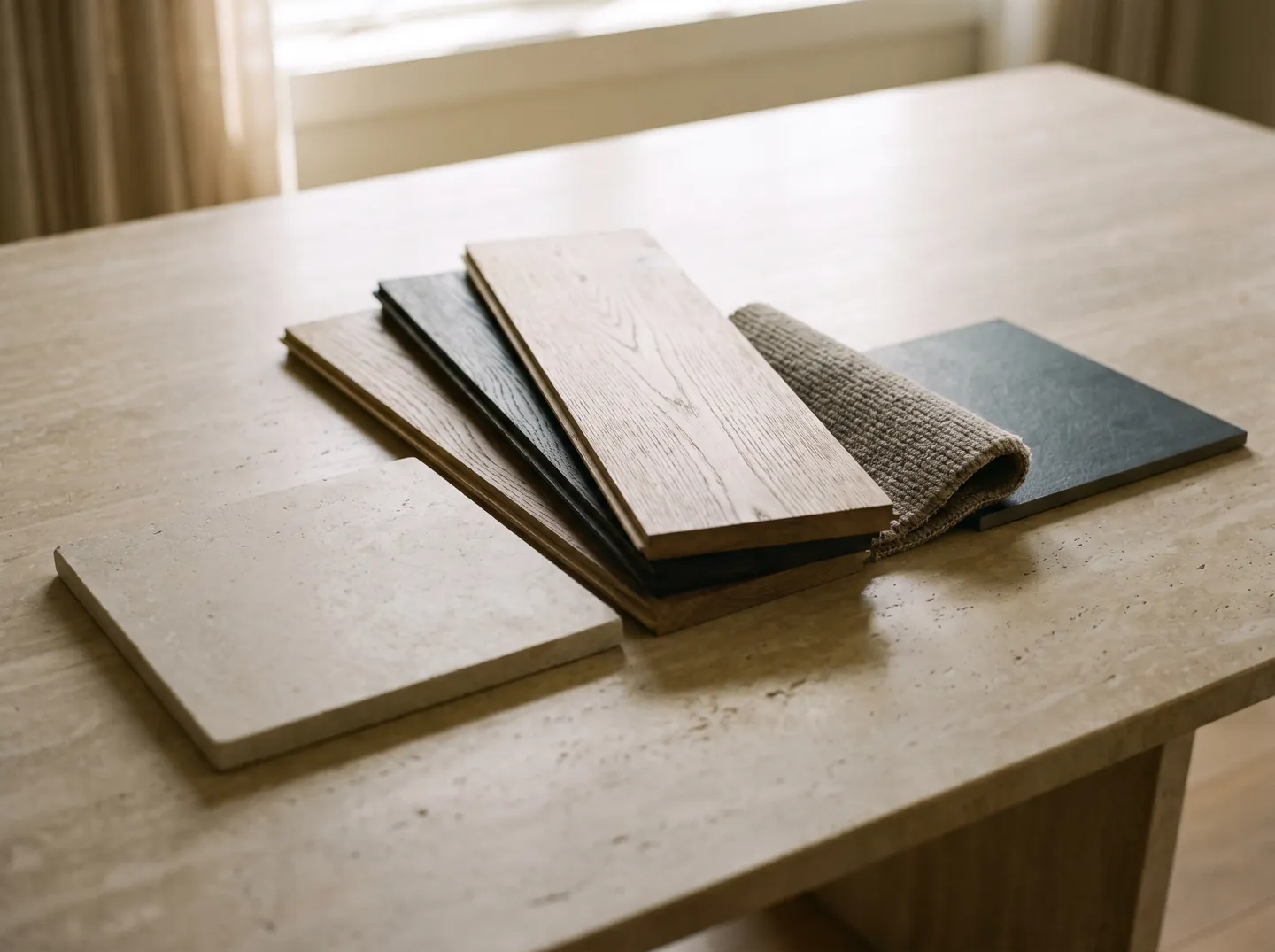
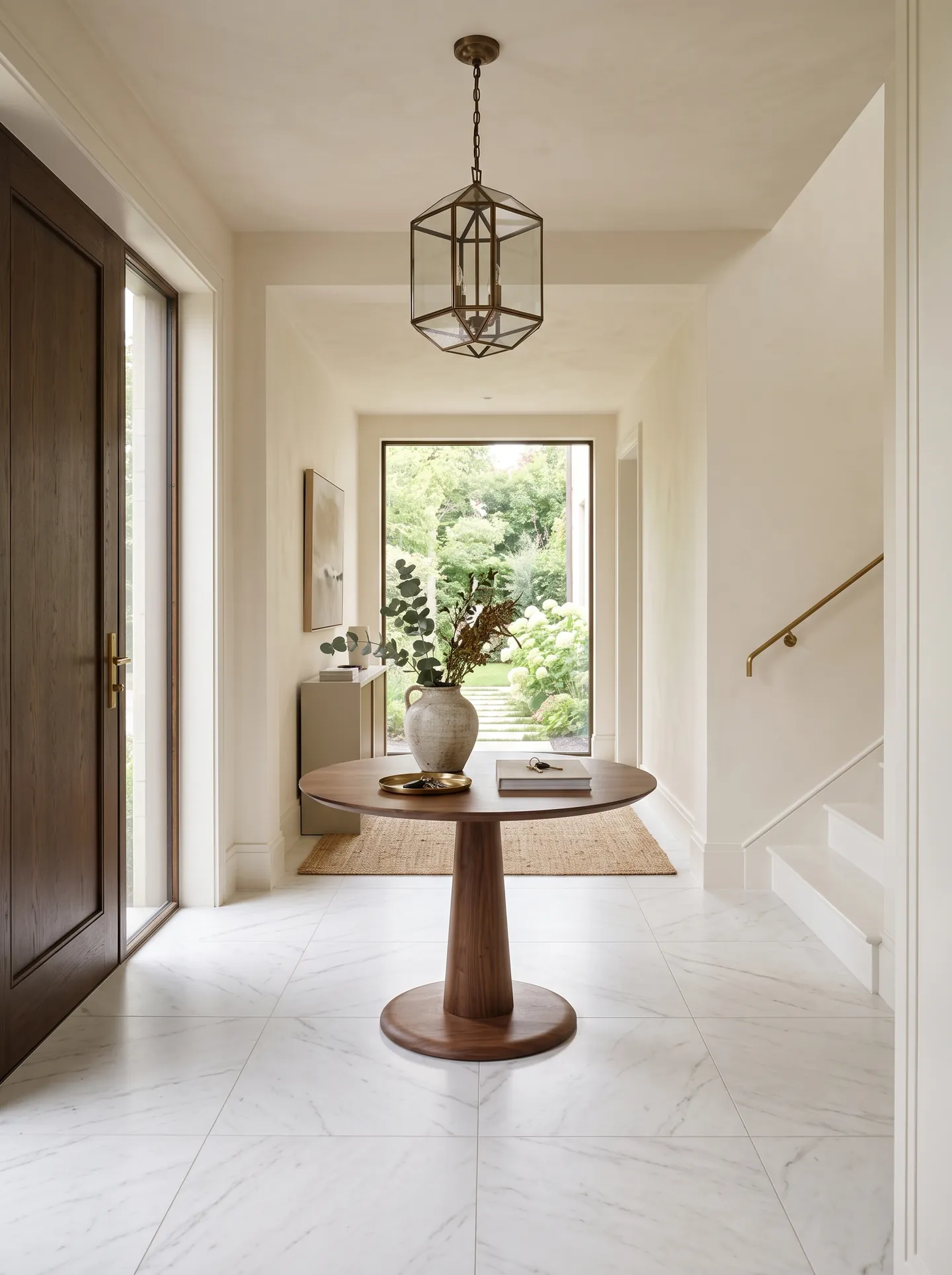
Hard, sealed, non-wood surfaces win at the door. A textured porcelain tile entry or mudroom ignores salt and standing water. Where tile isn't wanted, waterproof rigid-core vinyl plank is the next-best barrier between the garage and the wood floors beyond it.
Entry Surfaces Ranked for Snow, Grit and Deicer
| Surface | Salt and meltwater | Tracked grit | Winter upkeep |
|---|---|---|---|
| Textured porcelain tile | Unaffected | Very resistant | Seal cement grout so residue doesn't stain it |
| Rigid-core LVP | Waterproof surface | Grit slowly dulls the wear layer | Damp-mop residue off weekly |
| Water-resistant laminate | Tolerates spills, not puddles | Good at AC4 or higher | Never let boots drip-dry on it |
| Site-finished hardwood | Finish hazes; seams can swell | Scratches show in the finish | Keep it back from the door |
| Carpet | Holds salt and moisture | Hides grit until it wears through | Not an entry floor |
Flooring Around a Wood-Stove Hearth
Some Tri-Lakes homes heat with a wood-burning stove, and the hearth is where a flooring plan gets awkward. The stove's required floor protection and clearances come from its manufacturer and your building department, not from a flooring installer, so confirm them before anything is ordered. The new floor stops at the hearth pad. It never runs under it.
That leaves a transition on up to three sides, and it should look deliberate. Vinyl and laminate soften with heat, so keep them outside the stove's clearance zone and think about tile in front of the firebox, where embers and hot ash land.
Transitions That Work Next to a Hearth
Wooded Lots and Homes From the 1980s Onward
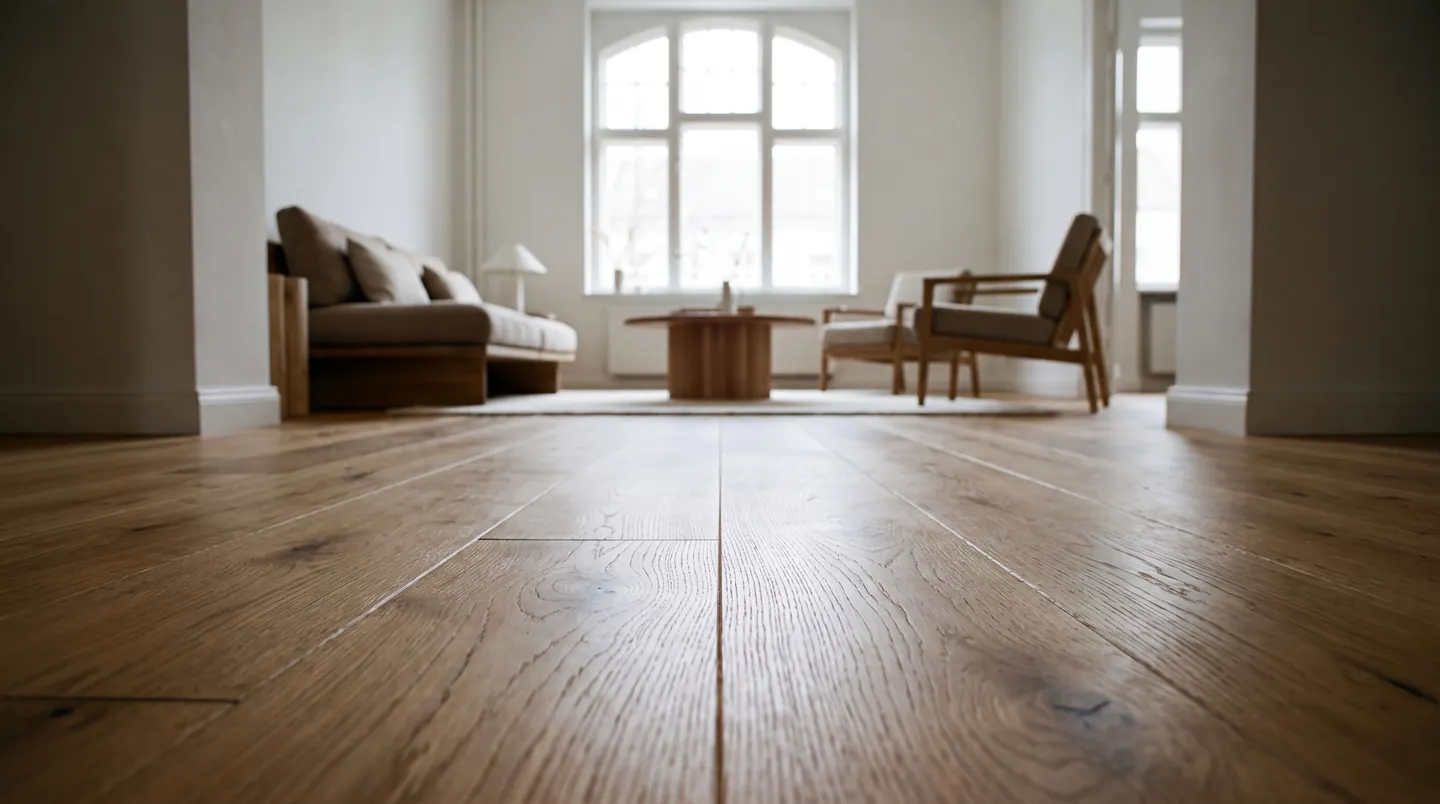
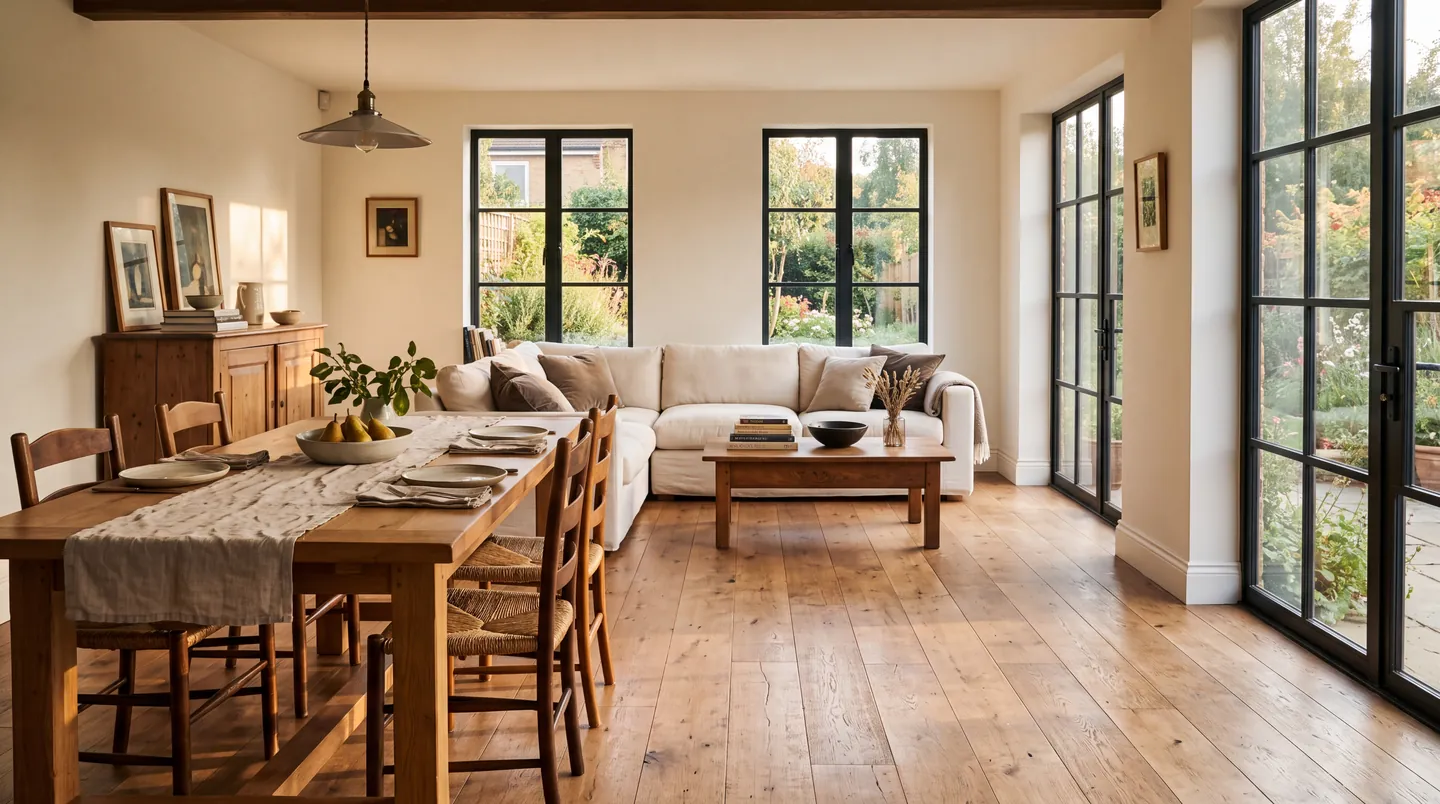
Woodmoor and much of Monument filled in from the 1980s on, often under tall pines. Two things follow. Needles and grit travel in on shoes and scratch soft finishes, and shaded lots keep north rooms dim, so a very dark floor turns a family room into a cave. Mid and light tones handle both.
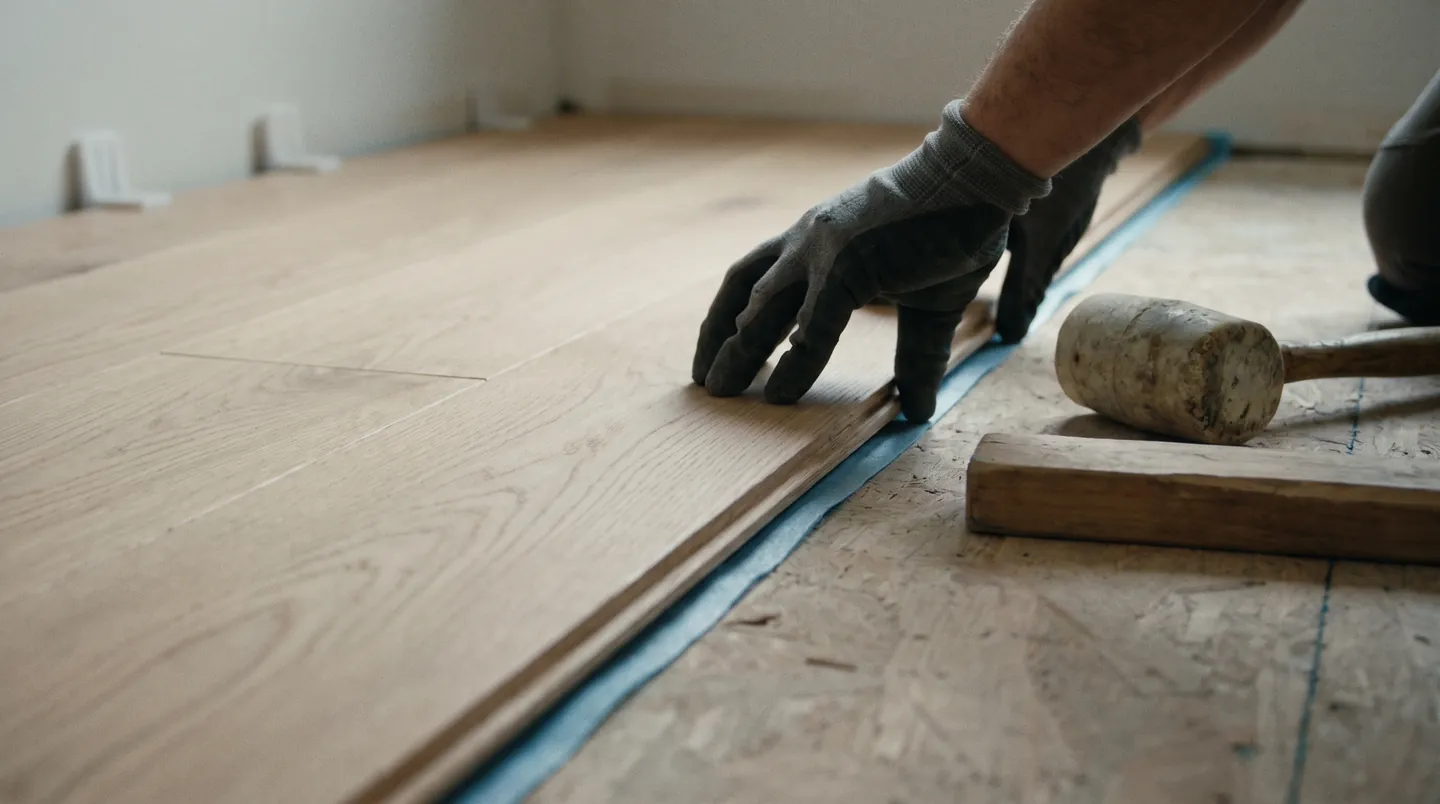
Houses from that era often carry original subfloors under a second or third floor covering. Before installing new flooring over an older subfloor, check for loose panels, squeaks and flatness, since a click floor shows every dip. Dry winter air applies up here too: engineered wood moves less than solid when indoor humidity drops. See the full list of Front Range areas we serve or request a flooring estimate.
Monument flooring questions
Is heated tile worth it in a Monument mudroom?
For a mudroom that sees snow most of the winter, it's one of the better upgrades. An electric heating mat under porcelain tile dries meltwater and boot puddles faster and takes the chill off a slab or garage-adjacent floor. It needs a dedicated circuit and a thermostat, so plan it before the tile is set. Retrofitting later means tearing the tile out.
Does magnesium chloride from the roads damage hardwood floors?
It can. The residue dries into a film that hazes and dulls finishes, and the moisture it holds can work into seams near the door. Wipe it up with a damp cloth instead of letting it build, use walk-off mats, and recoat traffic areas when they dull. Keeping wood a few steps back from the entry solves most of it.
Can luxury vinyl plank go right up to a wood-burning stove?
Not inside the stove's clearance zone. Vinyl softens and can discolor with heat, and embers that escape the firebox will mark it. Follow the stove manufacturer's floor protection requirements, stop the vinyl at the hearth pad with a clean transition, and consider tile or stone for the area directly in front of the stove door.