
Rigid core and glue-down LVP

Luxury Vinyl Flooring That Holds Up Where Wood Won't

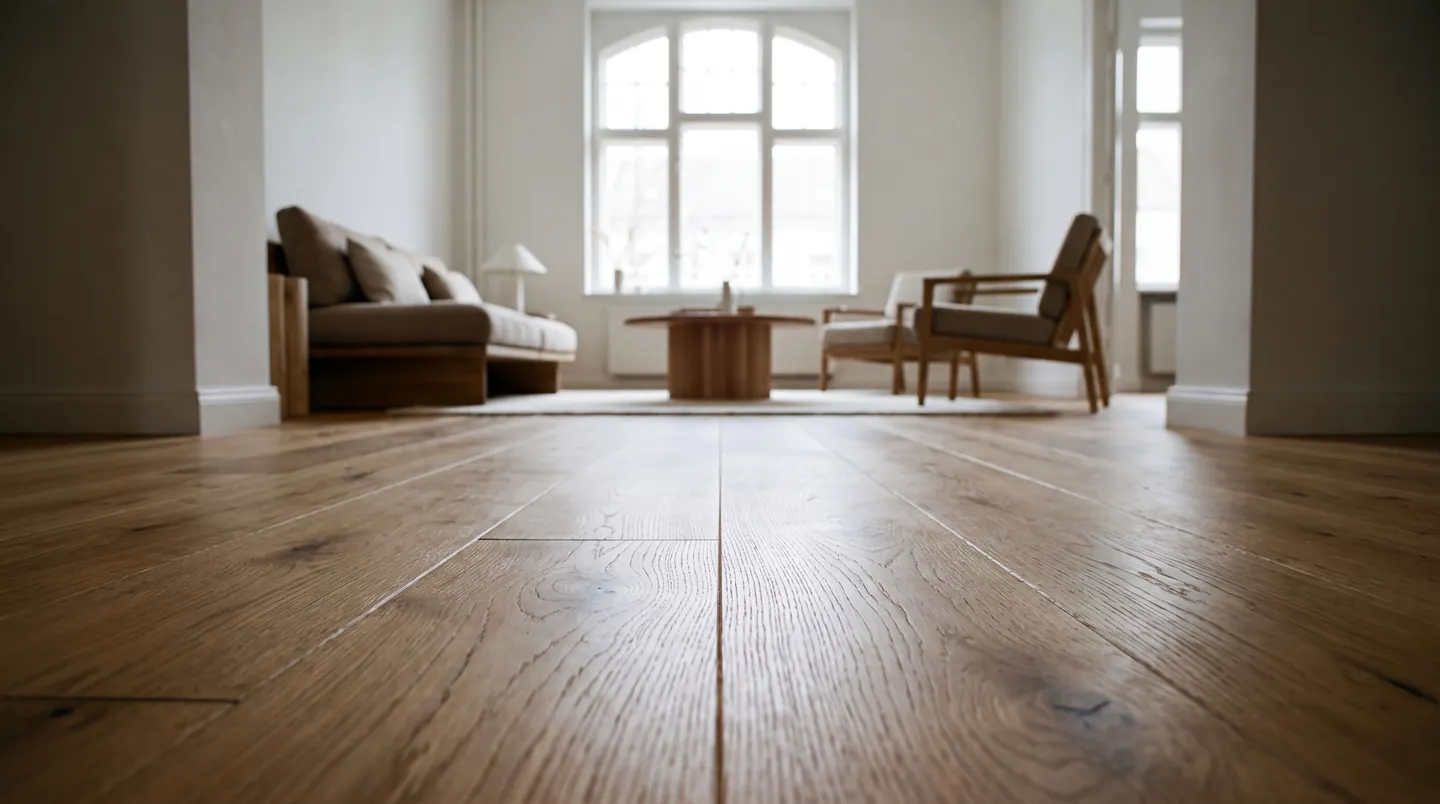
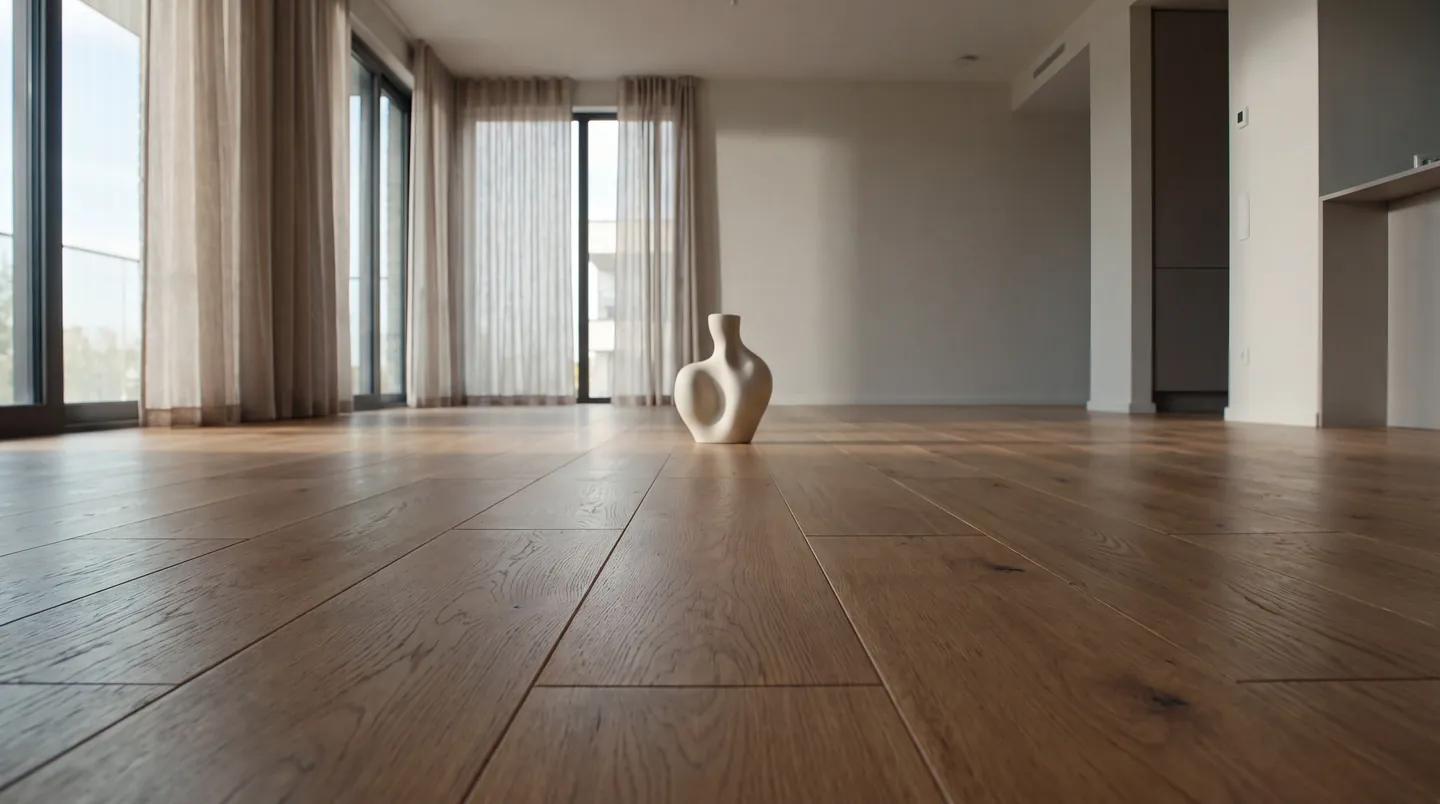
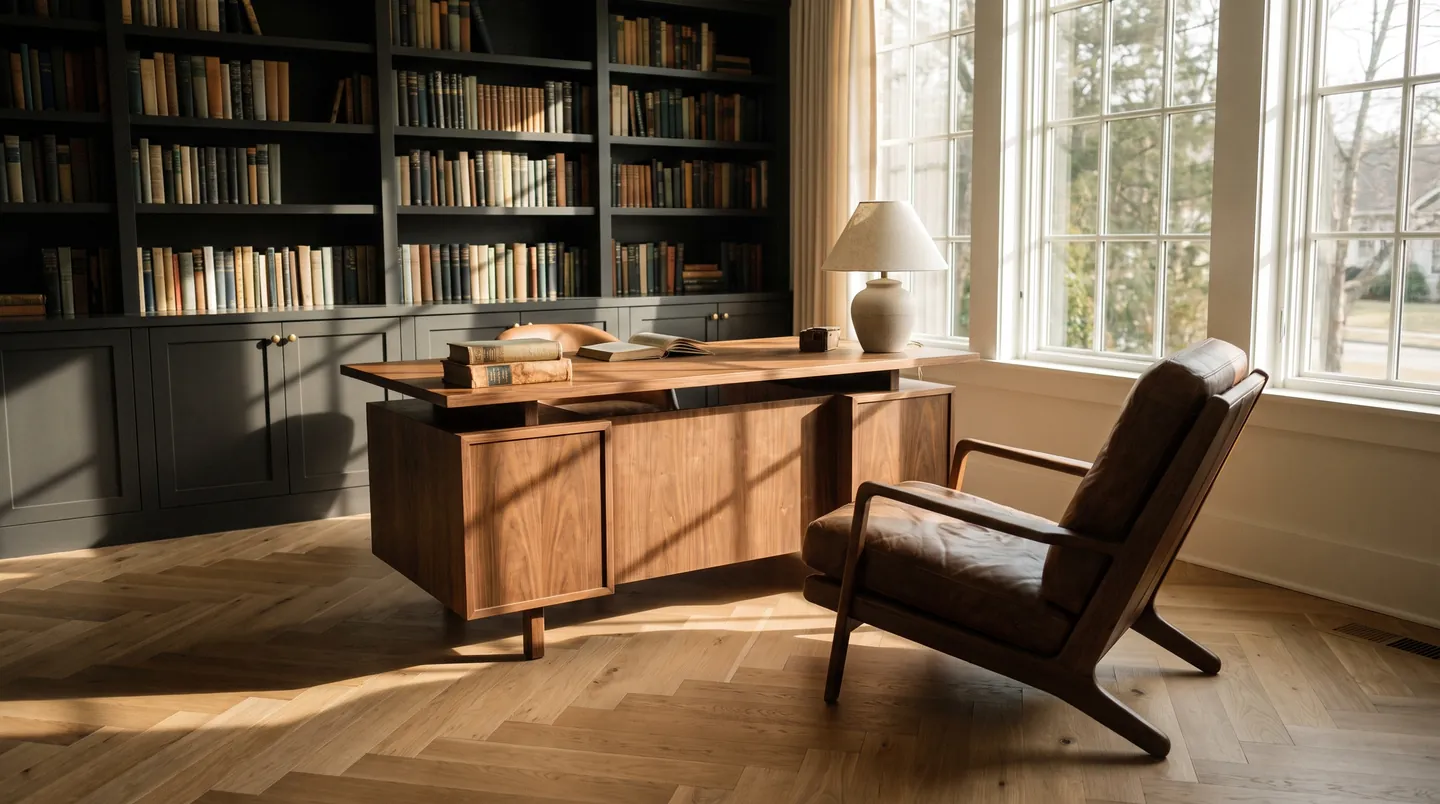
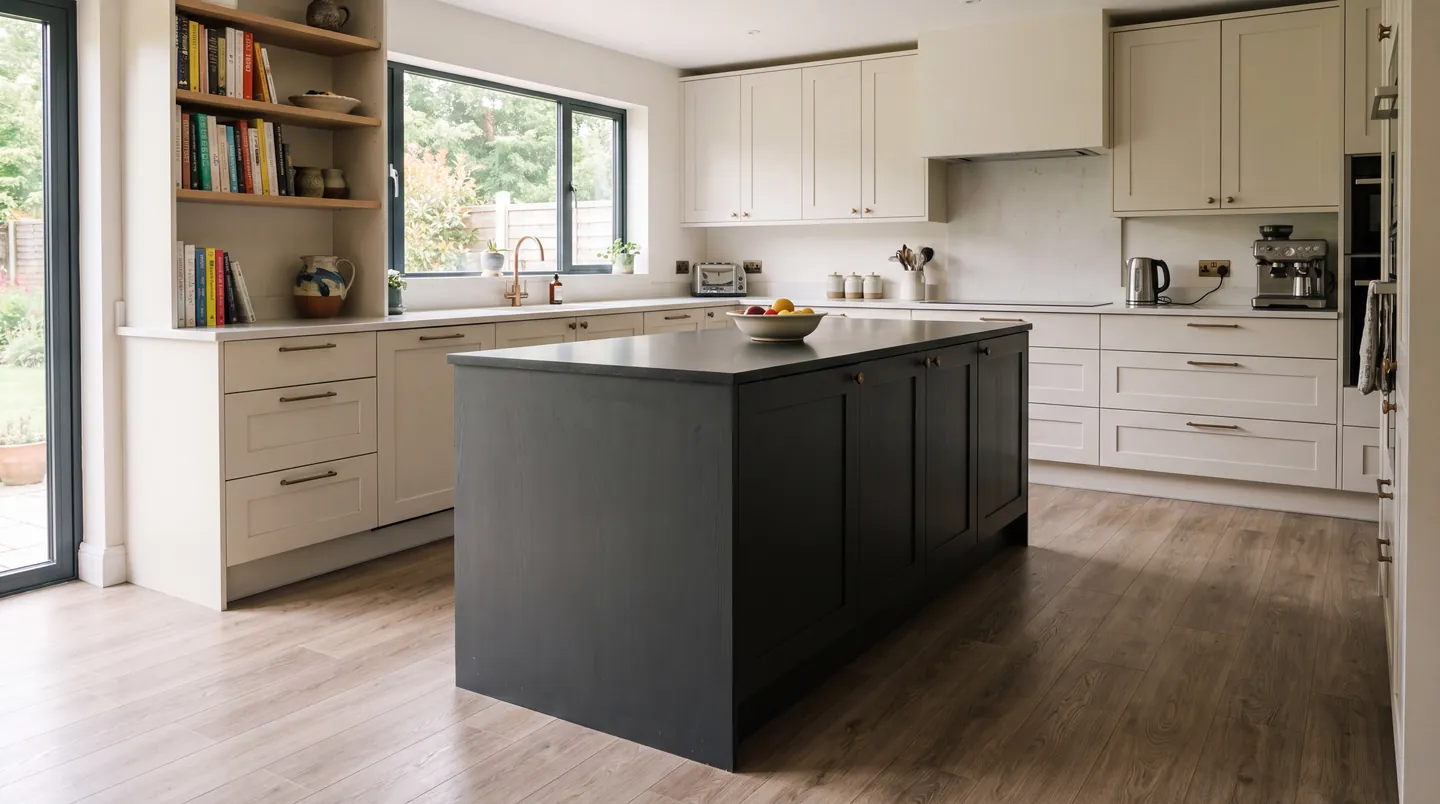
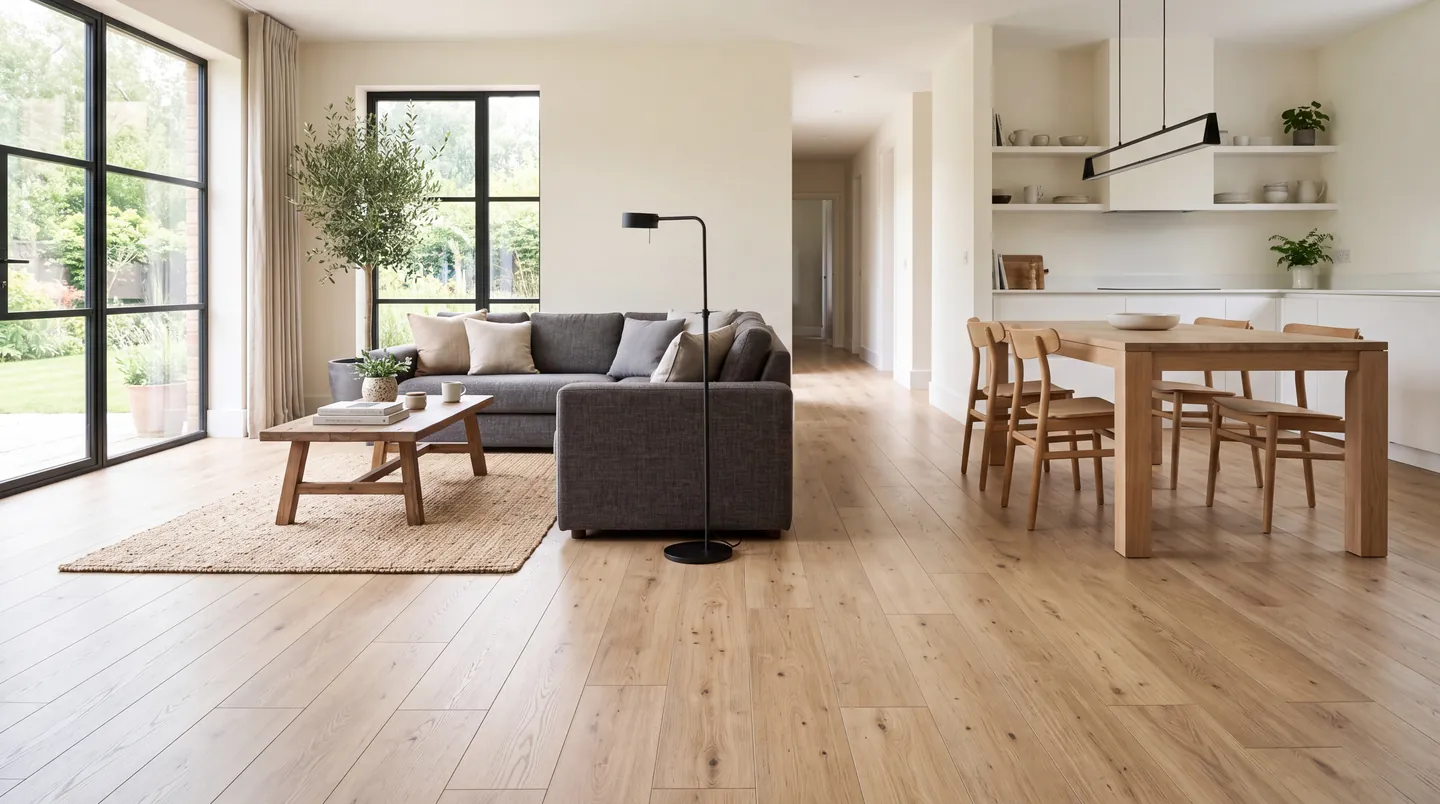
Kitchen with luxury vinyl plank flooring in a warm oak look

Luxury vinyl flooring earns its spot in kitchens, basements and busy family rooms, but plank thickness and the waterproof sticker tell you far less than the wear layer, the core and the subfloor underneath.

What's Actually Inside a Luxury Vinyl Plank

Two luxury vinyl flooring planks can carry the same oak print and perform nothing alike. The difference sits in layers you can't see from the showroom aisle. Compared with engineered hardwood floors or HDF-core laminate, vinyl's strengths and weaknesses both come down to plastic. It shrugs off water. It also moves with heat.

The Layers, Top to Bottom

  1. A factory top coat, usually urethane, sometimes reinforced with aluminum oxide, that takes daily scuffing.
  2. The clear wear layer, measured in mil (thousandths of an inch), which keeps grit away from the print.
  3. The printed decor film. Once it's worn through, nothing brings it back.
  4. The core: flexible vinyl on glue-down products, or a rigid WPC or SPC board on click-lock planks.
  5. An optional attached underlayment, often IXPE foam or cork, for sound and a little give.
Inside the plank

Four layers decide how vinyl wears.

Every luxury vinyl plank is a sandwich. Knowing which layer does what makes it much easier to compare two samples that look identical on the showroom floor.

  1. 01Wear layer
    Clear protective film, rated in mil. It takes the scuffs so the print below doesn't.
  2. 02Design film
    The printed wood or stone visual, often embossed in register with the grain.
  3. 03Rigid core
    SPC (stone-plastic composite) or WPC (wood-plastic composite). It gives the plank stiffness and water resistance.
  4. 04Backing
    Often an attached acoustic pad. It changes sound and feel, not flatness tolerance.

Luxury Vinyl Flooring Lives or Dies by the Wear Layer

Total thickness sells planks. The wear layer keeps them looking new. An 8 mm plank with a 6 mil wear layer is still a 6 mil floor, and it'll show a traffic path at the back door years before a thinner plank carrying 20 mil does. The number is on every spec sheet. Usually in small type.

Match the Wear Layer to the Room

Typical luxury vinyl wear layer thicknesses and where each fits
Wear layerTypical ratingWhere we'd use it
6 to 8 milLight residentialClosets and guest rooms, nowhere busier
12 milResidentialBedrooms and low-traffic living areas
20 to 22 milHeavy residential, light commercialKitchens, entries and homes with pets
28 mil and upCommercialOffices, shops and rolling chairs

Ratings vary by manufacturer. Even 20 mil is only about half a millimeter, so the top coat does a lot of the scratch work.

SPC vs WPC vs Glue-Down: Pick the Core Before the Color

Rigid core and flexible luxury vinyl construction compared
TraitSPC rigid coreWPC rigid coreGlue-down
CoreLimestone and PVC, very denseFoamed plastic composite, lighterThin flexible vinyl
UnderfootHard and coolSofter and warmerTakes on the subfloor's feel
Heavy furnitureBest dent resistanceDents more under point loadsGood once bonded
Heat swingsMost stable click optionMoves moreVery stable once adhered
Subfloor flawsBridges small onesBridges small onesShows nearly everything
Best fitKitchens, basements, sunny roomsBedrooms and upstairs living areasCommercial spaces and rolling loads

Waterproof Planks Don't Make a Waterproof Floor

The honest version: a rigid core vinyl plank won't swell, rot or delaminate if it sits in water, and that's a real advantage over laminate and wood. But a click-lock floor is hundreds of joints plus an open perimeter, and water finds both.

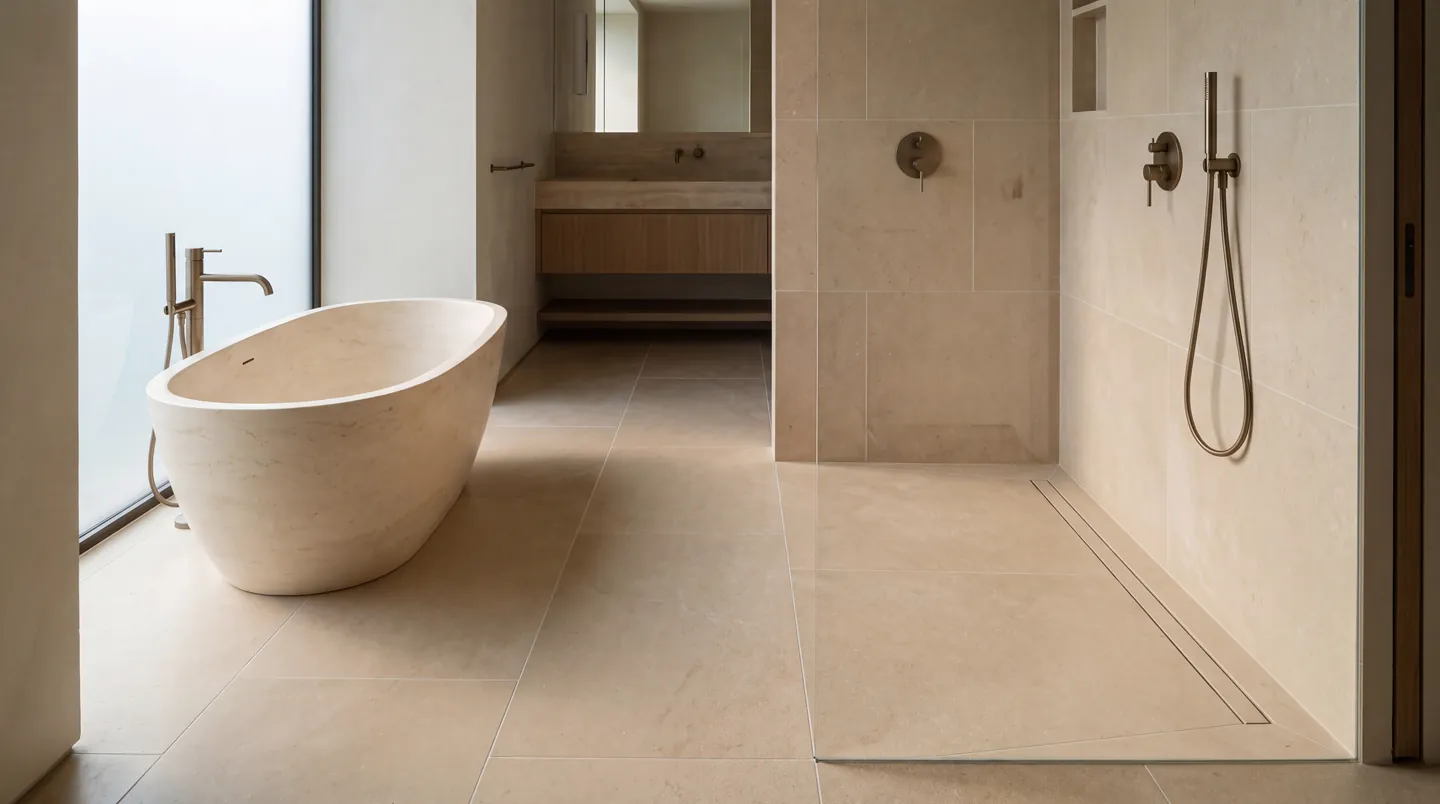
Trapped under the planks, water can sit for weeks on a slab and grow mold, or soak straight into an OSB subfloor. So for a full bath with a tub, a second-floor laundry room or anywhere with a floor drain, we'd look hard at sealed tile or natural stone first. Some luxury vinyl flooring lines allow wet-area installs with a sealed perimeter; read that section closely.

Your Subfloor Will Show Through. Plan for It.

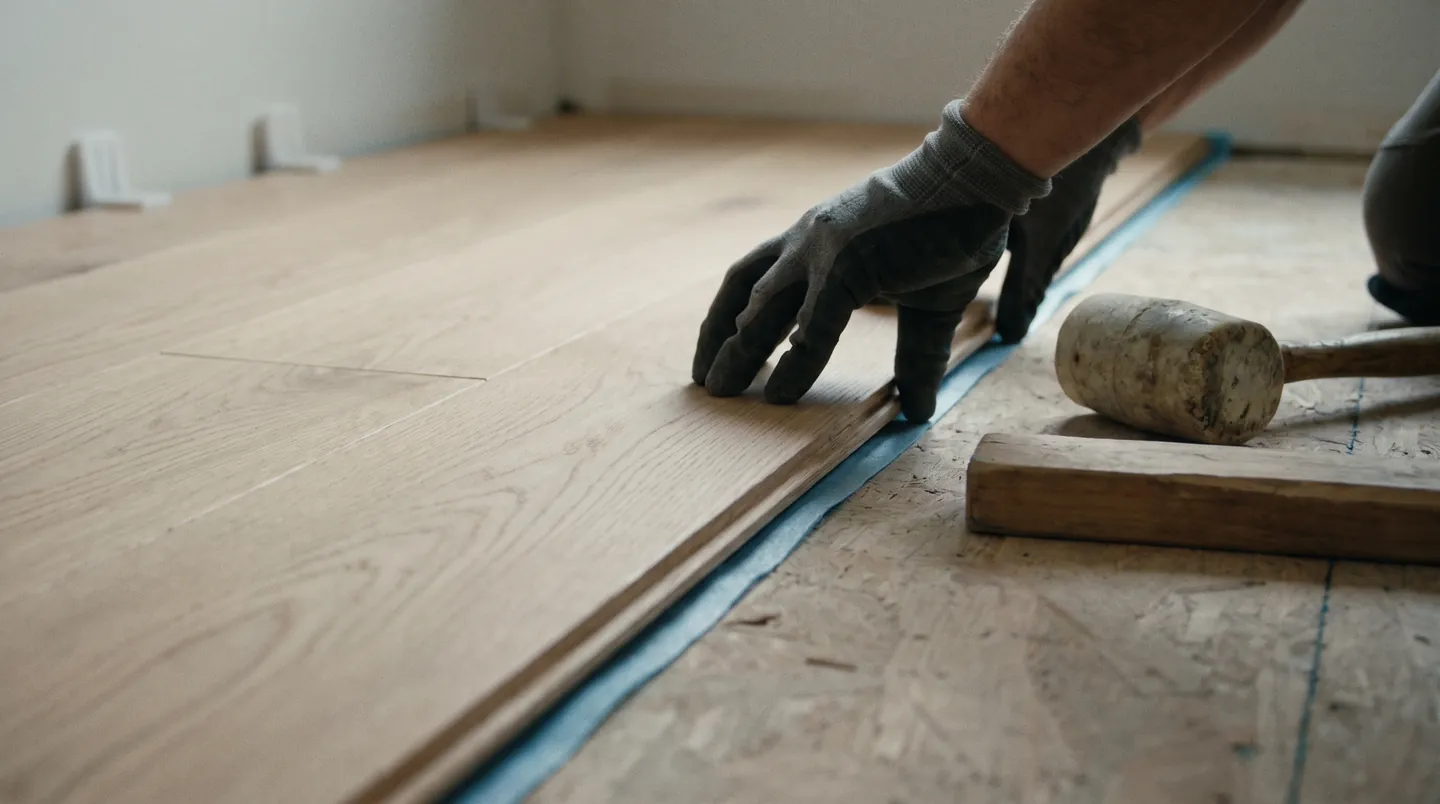
Telegraphing is when subfloor flaws print up through the finished floor. Thin glue-down vinyl is the worst offender, showing every trowel ridge and screw head once low sunlight rakes across it. Rigid core hides small stuff but can't hide a dip. Over a low spot the plank flexes with every step, and that repeated flexing is what breaks click joints.

Most manufacturers specify flatness of about 3/16 inch in 10 feet, and some tighten it to 1/8 inch in 6 feet. That's flat, not level; a gentle slope can pass. Getting there is most of the real labor in professional flooring installation, and it's the step low bids quietly skip.

Choose Click-Lock or Glue-Down by the Room

A living area, bedroom or basement without rolling loads
Floating click-lock rigid core over a flat, dry subfloor.
Office chairs or carts roll across it daily
Glue-down, so joints can't shift or peak.
Cabinets or a heavy island go in after the floor
Set them first, or glue down. Most guides prohibit pinning a floating floor.
Big south-facing windows heat the room
SPC rated for that temperature range, plus window coverings.
One unbroken run flows through several rooms
Check the maximum run length before skipping doorway transitions.

The bottom line

The Bottom Line on Luxury Vinyl

Busy rooms and pets
A wear layer of 20 mil or more.
Basements
SPC rigid core over a tested, flat slab.
Full baths and laundry
Tile first; vinyl only where the guide allows it.
Rolling loads
Glue-down, not floating.
Longest service life
A flat subfloor. Nothing else matters as much.

Bring your room sizes and subfloor type when you request a luxury vinyl flooring estimate.

Luxury Vinyl Flooring questions

Is luxury vinyl flooring really waterproof?

The plank is. A rigid core won't swell or rot in water. The floor as a system isn't, because water passes through seams and around the perimeter into the subfloor. Fix leaks fast, and in full baths or laundry rooms follow the manufacturer's wet-area rules or choose tile.

What wear layer thickness do I need with dogs?

Go with 20 mil or more. Claws mostly scuff the top coat, and a thicker wear layer protects the print once that coating dulls. Lighter colors with visible grain hide scratches better than dark, flat tones. Add felt pads under furniture and keep nails trimmed.

Is SPC or WPC better for a basement?

SPC, in most basements. Its dense limestone-based core resists dents and handles temperature swings better. WPC feels warmer and quieter, but basement floors usually sit on concrete, where moisture and flatness matter more than comfort. Either way, test the slab's relative humidity against the product's limit before buying.

Can you install vinyl plank over existing tile?

Often, if the tile is solidly bonded, flat within the product's tolerance, and the grout joints are filled so they can't telegraph. Many rigid core products allow it; many glue-down products don't. Check the added height at doorways, the dishwasher opening and transitions before you commit.

Why is my vinyl plank floor separating or peaking?

Usual causes: a subfloor that isn't flat, a missing expansion gap at the walls, a floating floor pinned under cabinets, or direct sun heating the planks until they push against each other. Gaps and peaks are symptoms. Fix the cause first, or replacement planks will fail the same way.

Request an estimate for luxury vinyl flooring

Your dream space starts here

Good-looking floors that handle real life.

Tell us about the room, the way you live in it and the look you're after. We'll come back with materials that suit it and a clear estimate.