


Carpet

Carpet Installation That Starts With the Spec Sheet

Bedroom with wall-to-wall taupe wool carpet
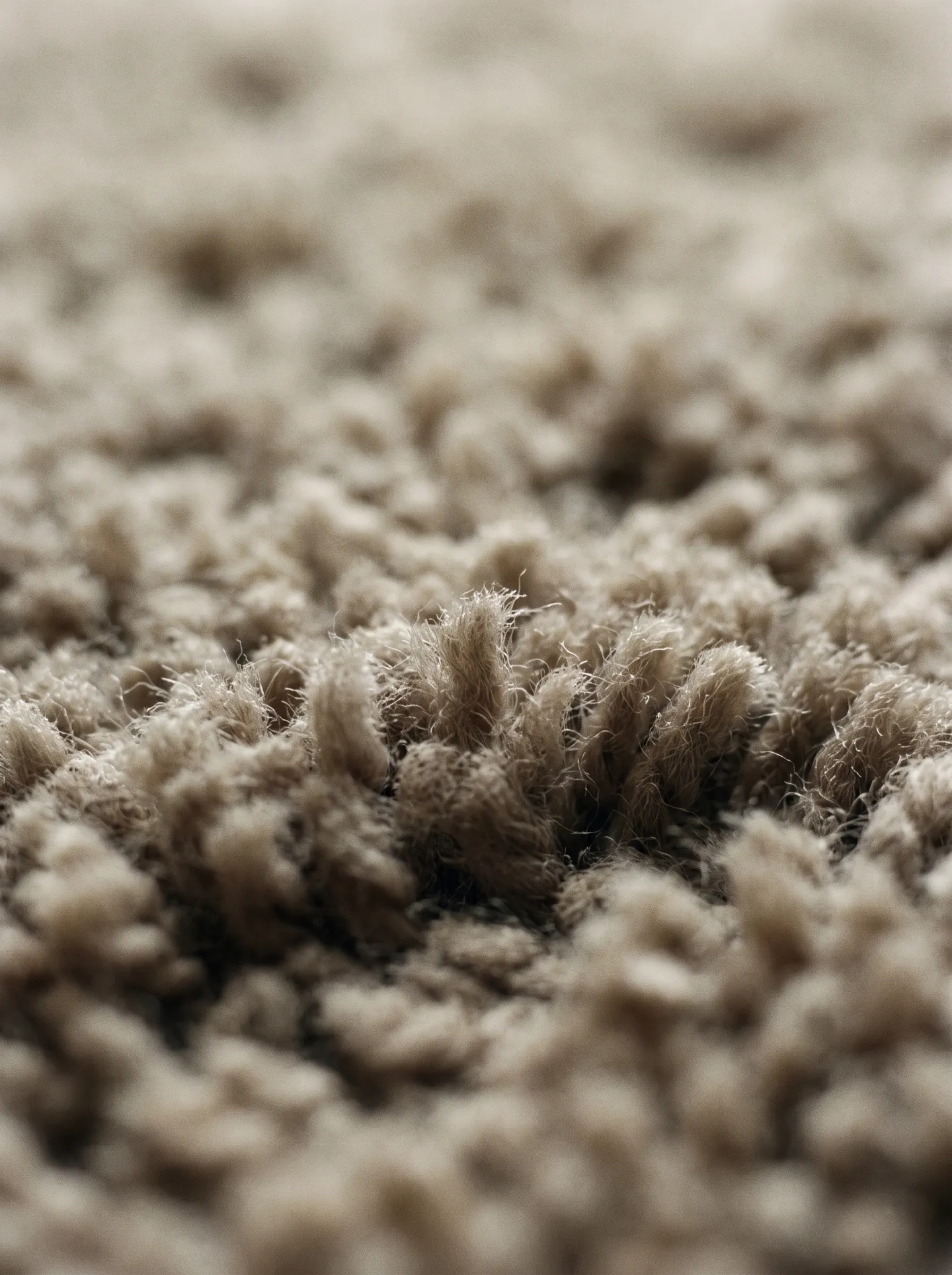
Close-up of dense cut-pile wool carpet fibers

Good carpet installation begins long before the tack strip goes down. Fiber, density, cushion and the seam plan decide whether new carpet stays tight and springy or ripples and mats within a few years.

Carpet Specs That Predict How It Will Wear

Showrooms sell carpet by hand feel. Hand feel tells you almost nothing.

Face weight, the ounces of yarn per square yard, is the number salespeople lead with, and it's the easiest to game. A tall, loose pile can carry a heavy face weight and still crush in a hallway. Density tells you how tightly that yarn is packed. Twist, counted in turns per inch, tells you how well each tuft holds its shape. A dense carpet with a tight, heat-set twist will usually outlast a fluffier one with a bigger face weight.

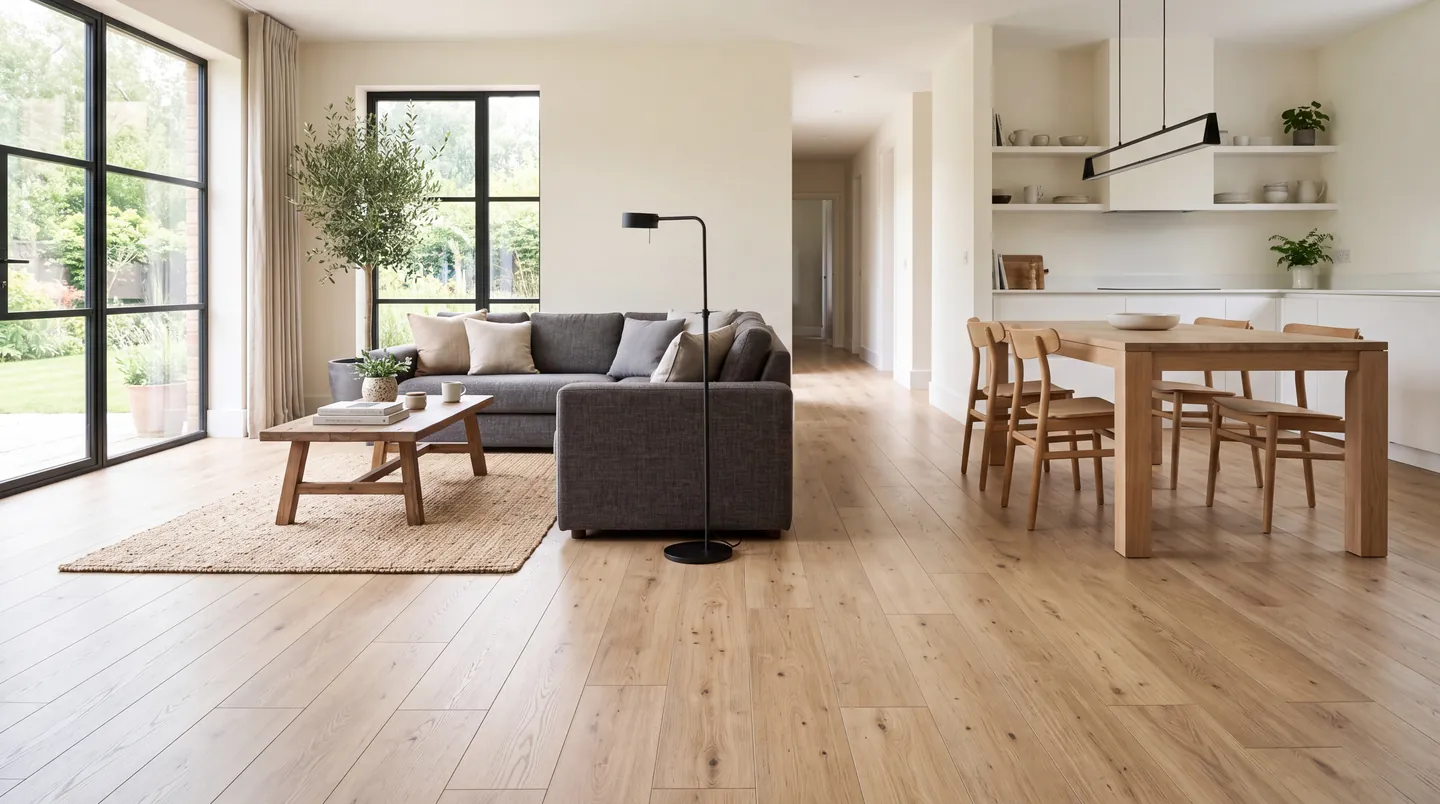
Carpet is the right call for bedrooms, stairs and family rooms where warmth and sound control matter. If you're still comparing soft and hard surfaces room by room, start with our overview of flooring services.

Read a Carpet Label in This Order

  • Fiber type, because it sets the ceiling on resilience and stain behavior.
  • Density, which you can estimate as face weight times 36, divided by pile height in inches.
  • Twist level, where more turns per inch generally resists matting in cut pile.
  • Pile height and style, since tall plush shows footprints and vacuum tracks.
  • The manufacturer's warranty exclusions, which commonly involve stairs, pet damage and unapproved cushion.
Fiber guide

The fiber decides how carpet ages.

The resilience benchmark. Nylon springs back from foot traffic and furniture better than other synthetics, which is why it dominates stairs and hallways.

Best in: Stairs, hallways, family rooms

Resilience5 / 5
Stain resistance3 / 5
Softness3 / 5
Relative cost3 / 5

Relative, general characteristics. Construction, density, twist and treatment change how any single carpet performs.

Compare Carpet Fibers Before You Compare Colors

How common carpet fibers behave in a lived-in home
FiberResilienceStains and soilWhere it fits
NylonBest synthetic at springing backGood with a factory stain treatmentHalls, stairs, family rooms
Polyester (PET)Lower; crushes in traffic lanesResists many water-based stainsBedrooms and guest rooms
TriextaGenerally between polyester and nylonStrong built-in stain resistanceBusy homes with kids and pets
WoolGood natural resilienceHides soil well; harmed by bleach and harsh cleanersLiving and dining rooms
OlefinLow; flattensResists water stains, holds oily soilBasements and budget loop styles

Check blend percentages. A carpet marketed for its wool may be a blend, and the label tells you the ratio.

Pick the Pile Type for Your Household

Cut pile has its yarn tips sheared open, loop pile leaves them uncut, and cut-and-loop combines both to carve a pattern. Compare textures in our carpet collections.

Cats or dogs dig at the floor
Skip loop pile. Claws snag loops and can pull a run across the room. Choose a dense cut pile.
Your stairs see constant traffic
Use a dense, low cut pile or tight level loop in nylon, and avoid tall plush that splays over the nose.
Footprints and vacuum tracks drive you crazy
Go textured or frieze. Smooth saxony and plush show every mark.
You want pattern that hides soil
Cut-and-loop disguises wear well, as long as the loops are short and tight.
The room is below grade
Use a synthetic fiber and a cushion with a moisture barrier, after the slab is checked.

Cushion Decides How Long Carpet Installation Holds Up

Pad is where cheap carpet installation hides its savings. Thicker isn't better. A soft, overly thick cushion lets the backing flex with every step, which stresses seams and breaks the carpet down early. Most carpet manufacturers specify cushion by thickness and density, and many void their warranty if you ignore it.

As a rough guide, residential cut pile commonly calls for cushion no thicker than 7/16 inch. Berbers and other low-profile loops need something thinner and firmer, often 3/8 inch at about 8 pounds density. Always check the carpet's own spec. And never reuse old pad; it's compressed and often holds odors from years of spills.

What Proper Carpet Installation Includes

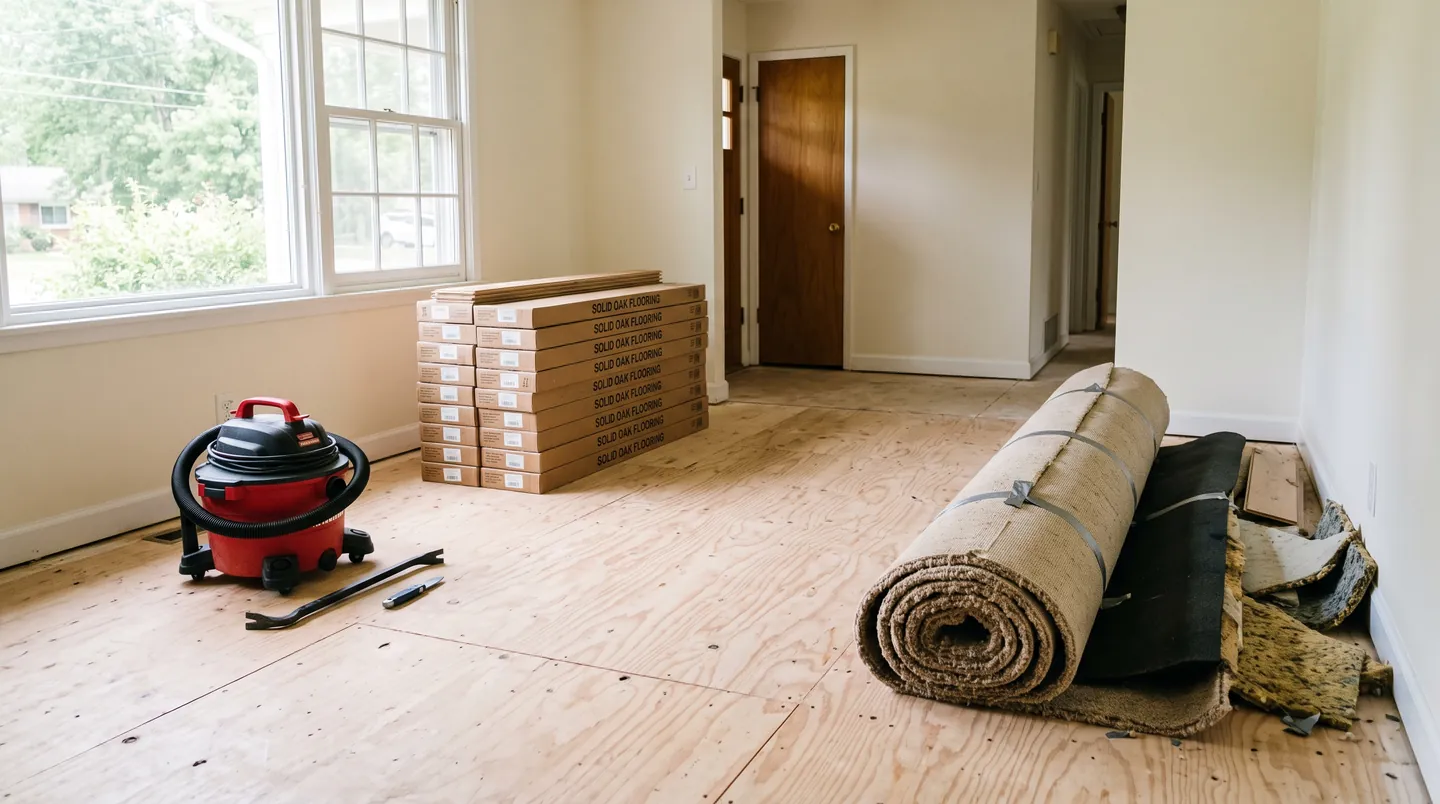
  1. Pulling old carpet, pad and staples, then replacing tack strip that's loose, rusted or wrong for the new pile height.
  2. Screwing down squeaky or loose subfloor panels while they're exposed.
  3. Laying cushion with its seams offset from the carpet seams.
  4. Power-stretching the carpet across each room. The CRI installation standard calls for a power stretcher on wall-to-wall work, because a knee kicker alone leaves slack that turns into ripples.
  5. Trimming and tucking edges cleanly at baseboards and at transitions to hard floors.
  6. Wrapping stairs in a waterfall or cap-and-band style with the pile running down each tread.

Know Where Carpet Doesn't Belong

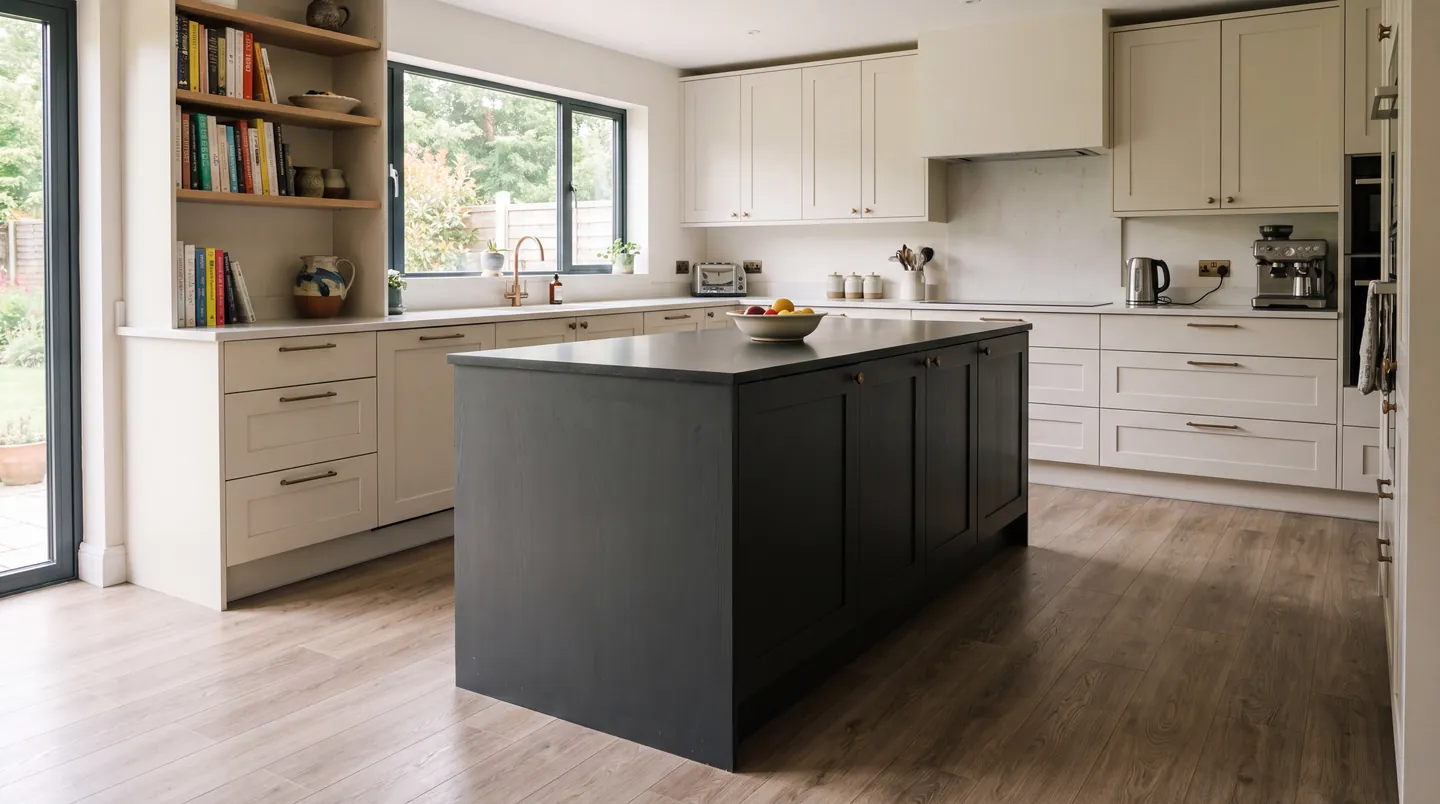
Carpet doesn't belong in full bathrooms, kitchens or entries that take wet boots. Moisture trapped under carpet means odor and mold you won't see until it's bad. For those rooms, look at porcelain and natural stone tile or a waterproof luxury vinyl floor that can meet the carpet at a clean transition.

The bottom line

What a Well-Installed Carpet Gives You

Comfort
Even, supportive feel from cushion matched to the carpet's spec, not the thickest pad on the shelf.
Appearance
Seams placed with the light and away from traffic, so you don't trace them across the room.
Longevity
A power-stretched install that resists ripples and buckling as it ages.
Warranty standing
Cushion and methods that follow the manufacturer's requirements, so product coverage stays intact.

Have room measurements and a few photos ready, then request a carpet estimate.

Carpet questions

Is a thicker carpet pad always better?

No. Overly thick, soft cushion lets the carpet backing flex too much, which strains seams and can cause wrinkles. Most manufacturers specify maximum thickness and minimum density, commonly 7/16 inch or less for residential cut pile and thinner, firmer pad for Berber and loop styles. Matching the cushion to the carpet's spec matters more than adding thickness.

Why does new carpet ripple or wrinkle?

The usual cause is an installation that wasn't power-stretched, leaving slack that shows up as the carpet relaxes. Wrong cushion, high humidity and dragging heavy furniture can make it worse. A properly stretched carpet can usually be restretched to remove ripples, but if the backing has delaminated, the section needs replacement.

What is the best carpet for homes with pets?

A dense cut pile in nylon or triexta is a strong starting point. Nylon springs back from traffic, and triexta has strong built-in stain resistance. Avoid loop pile, since claws catch the loops and can pull runs. Look for a cushion with a moisture barrier so accidents don't soak into the pad.

How long does carpet installation take?

Typical bedrooms and living spaces often take a few hours each once furniture is out. A whole floor is commonly a one or two day job, depending on stairs, subfloor repairs, seam work and how much furniture needs moving. Your installer should give you a schedule based on your specific layout after measuring.

Request an estimate for carpet

Your dream space starts here

Softness, chosen to last.

Tell us about the room, the way you live in it and the look you're after. We'll come back with materials that suit it and a clear estimate.