


Questions and answers

Flooring Questions, Answered Plainly

What to choose, what to test, what to expect on installation day and how to keep a floor looking right for years. Search for a term or jump straight to a topic.

Choosing the Right Flooring Material

Start with the room, the subfloor and the way you live. Color comes last.

Should I choose solid or engineered hardwood?

Let the room decide. Solid hardwood suits above-grade rooms over a plywood subfloor, and its thickness allows several full sandings over its life. Engineered hardwood puts a real wood wear layer over a cross-ply core, so it stays flatter through humidity swings and is often approved over concrete, below grade and on radiant heat. Check the wear layer in millimeters, since that sets how many times it can be refinished. Our hardwood flooring guide compares the two side by side.

Laminate or luxury vinyl: which suits a busy household better?

They solve different problems. Laminate has a hard, AC-rated wear surface, so it usually handles grit and dog claws better than vinyl. Luxury vinyl has a waterproof core and a softer, quieter surface, which makes it the safer pick for kitchens, mudrooms and basements. The core won't swell, though water can still reach the subfloor through the seams. If spills worry you more than scratches, lean vinyl. If it's the other way around, compare laminate flooring with luxury vinyl plank on the actual specs.

How do I compare two vinyl planks that look identical?

Ignore the overall thickness and read the spec sheet. The wear layer, measured in mils, is the clear top coat that takes the abuse: 12 mil is light residential, while 20 mil and up is a better match for kids and pets. Then check the core (rigid SPC or softer WPC), whether a pad is attached, the flatness tolerance the installation guide demands and any limits on direct sun or unheated rooms. Two planks with the same printed image can perform very differently.

Porcelain or natural stone: which is easier to live with?

Porcelain, for most households. It's dense, absorbs very little water and needs no sealing beyond the grout. Natural stone is porous to varying degrees, so it needs a penetrating sealer on a schedule, and marble and limestone etch when acids like lemon juice or wine sit on them. Stone suits people who enjoy a surface that patinas. If you'd rather stop thinking about the floor, look at large-format porcelain on our tile and stone flooring page.

What should I check on a carpet spec beyond the color?

A few specs tell you more than the sample's feel. Face weight is the ounces of yarn per square yard, but density shows how tightly that yarn is packed, and dense carpet resists crushing in hallways. Twist level matters on cut pile, since a tighter twist holds its texture longer. Fiber sets the rest: nylon is resilient, polyester resists stains but can mat in traffic, and wool is soft and hides soil well at a higher price. Our carpet installation page covers pad and stretching.

Can one floor run through the whole house?

Often, and it makes a home read as larger and calmer. The catch is that every room has to suit the product. A continuous floor that crosses a kitchen, a bathroom and a sunroom must handle water, temperature swings and direct light in all of them. Floating floors also have maximum run lengths, past which the manufacturer requires an expansion break, usually hidden at a doorway. Plan those breaks before ordering, and see how a full flooring replacement is sequenced room by room.

Installation and Preparation

Most installation problems are decided before the first board goes down.

What should I do to get my home ready for installation day?

Clear small items, fragile pieces and the floors of any closets getting new flooring. Ask your installer exactly which furniture and appliances they move and which they don't, because that line varies from company to company. Run the heating or cooling at normal living conditions for several days beforehand so the subfloor and the material settle at the same humidity. Plan for pets and children to be elsewhere while saws are running. Then read how the installation process runs.

Floating, glue-down or nail-down: how is the method chosen?

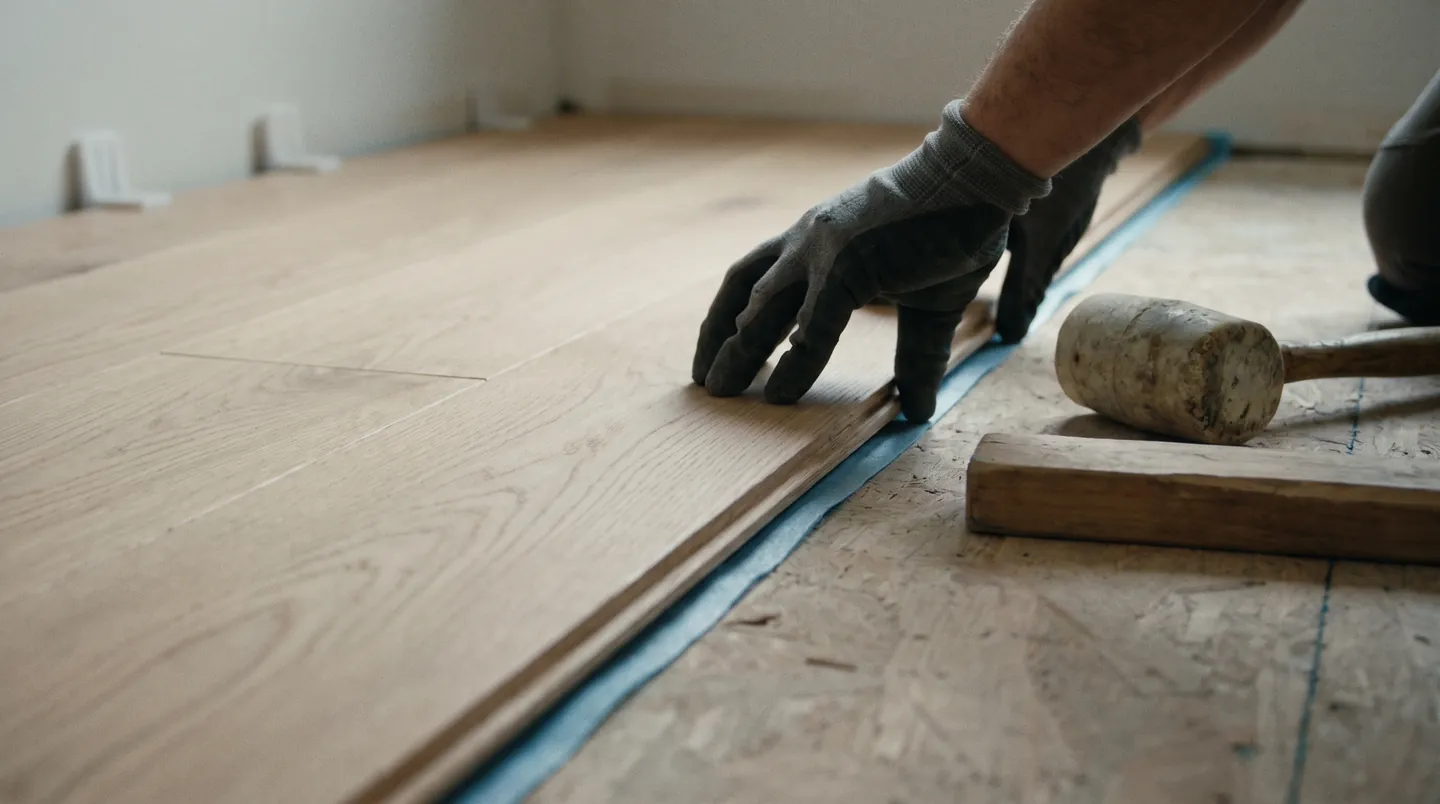
The product, the subfloor and the grade level choose it, in roughly that order. Nail-down suits solid hardwood over a wood subfloor. Glue-down bonds the floor to the slab or plywood and feels the most solid underfoot, which helps on large open areas and stairs. Floating floors lock together over an underlayment, go in quickly and can often sit over an existing hard floor, though they need a perimeter gap. The installation guide lists approved methods, and anything outside it can void the warranty. More on professional flooring installation.

How much extra flooring should I order?

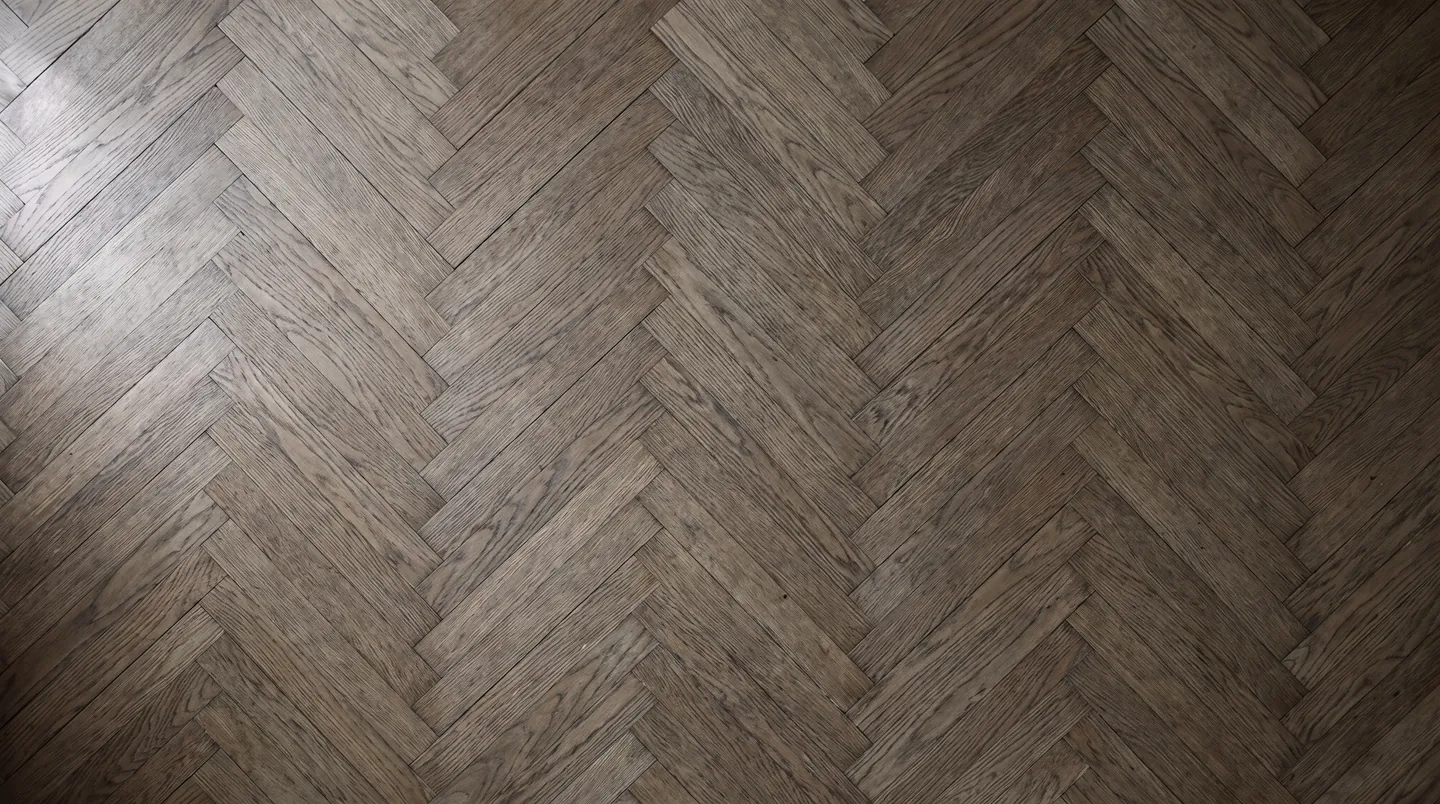
Plan on roughly 5 to 10 percent over the measured area for a straight lay in simple rooms, closer to 15 percent for diagonal layouts, and more for herringbone or chevron, where every wall cut costs a piece. Lots of small rooms, closets and angled walls push the number up. Keep an unopened box once the job is done. Dye lots and product lines change, and a matching plank years from now can be the difference between a repair and a new floor.

Will new flooring affect my doors, trim or appliances?

It can. A thicker floor raises the finished height, so interior doors may need undercutting and exterior doors may need a new threshold. Dishwashers are the classic trap: lay a new floor in front of one without allowing for height and the appliance can get locked under the countertop. Baseboards are either removed and reinstalled or left in place with new shoe molding covering the expansion gap. Ask how each of these will be handled, and get the answer into the written estimate.

Can I stay home while new floors are installed?

For most floating and glue-down installs, yes, with some planning around noise, dust and the rooms that are off limits. Site-finished hardwood is different. Sanding makes fine dust, and each finish coat needs time to dry and cure, so you may lose those rooms for a few days and should keep rugs off for longer. Ask which finish is being used and what its manufacturer recommends for foot traffic, furniture and rugs. Those times vary widely between products.

Moisture, Concrete and Subfloors

Most flooring failures trace back to moisture or a subfloor that wasn't ready.

Why does a concrete slab need a moisture test before flooring goes down?

Concrete can look and feel dry while holding moisture deep in the slab, and that moisture moves up into whatever sits on top. Adhesives let go, wood cups and mold can grow under floors that don't breathe. The two common tests are in-situ relative humidity probes (ASTM F2170) and calcium chloride kits (ASTM F1869), and the flooring manufacturer sets the acceptable limit. Get the readings in writing. If they're high, a moisture mitigation system or a different product costs less than a failed floor.

Can hardwood go in a basement?

Solid hardwood generally shouldn't, because below-grade slabs carry moisture and solid boards react to it by cupping. Many manufacturers approve engineered hardwood below grade, provided the slab passes a moisture test and the installation follows their vapor retarder requirements. Any history of water in the basement changes the answer, whatever the test says. For a basement that has ever flooded, luxury vinyl plank or porcelain tile is the safer floor.

My floors squeak. Should that be fixed before new flooring goes in?

Yes, and a flooring replacement is the best chance you'll get. Squeaks usually come from subfloor panels moving against joists, or loose fasteners rubbing as you walk. With the old floor up, the subfloor can be screwed down to the joists, damaged sections replaced and high seams sanded flat. Once a new floor is on top, those fixes get far harder. A subfloor that bounces noticeably may point to undersized or damaged joists, which deserves a closer look before any flooring decision.

Do I need a vapor barrier under my new floor?

It depends on the subfloor and the product. Floating floors over concrete normally need a 6-mil polyethylene vapor retarder or an underlayment with one built in. Nail-down hardwood over a wood subfloor typically calls for a vapor retarder paper instead, since a plastic sheet there can trap moisture. Some glue-down products rely on a moisture-blocking adhesive or a separate slab treatment. Doubling up barriers isn't automatically safer. Follow the installation guide, because it's the document the warranty is judged against.

Can new flooring go over radiant floor heating?

Many floors can, but each product has its own rules. Tile and stone are the classic match because they conduct heat well. Engineered hardwood, luxury vinyl and some laminates are often approved, usually with a maximum surface temperature that many manufacturers set around 80 to 85°F and a requirement to change temperature gradually. Solid hardwood is frequently excluded. Before installation the system should be run and then turned down so the slab is dry and stable. Ask for the radiant heat section of the installation guide.

Floor Care and Maintenance

A few habits decide whether a floor looks tired in five years or still looks right in twenty.

What's the safest way to clean hardwood floors?

Dry first, damp second. Sweep or vacuum on a hard floor setting to remove grit, which acts like sandpaper under shoes. Then use a microfiber mop lightly misted with a pH-neutral cleaner made for your finish. Skip steam mops, wet mopping, vinegar and oil soaps: water and heat get into the joints, vinegar can dull some finishes, and soap residue can stop a future recoat from bonding. Oiled floors are a separate case and need the maintenance oil their manufacturer specifies.

Why do gaps appear between hardwood boards in winter?

Wood shrinks as it loses moisture, and heated winter air is dry. Thin gaps that open in January and close by summer are seasonal movement, not a defect. Keeping indoor relative humidity inside the range your flooring warranty specifies, often somewhere between 30 and 55 percent, keeps that movement small, and a whole-house humidifier is the usual fix. Wide boards move more than narrow strip, one reason wide planks are often engineered hardwood. Gaps that never close deserve a closer look.

How do I protect new floors from furniture and chair legs?

Put felt pads on every leg that moves, and replace them once grit embeds in the felt. Rolling office chairs need hard-floor casters or a mat. Lift heavy furniture instead of dragging it, even across vinyl. Choose rug pads labeled safe for your floor type, because some rubber and latex backings can stain vinyl and certain finishes. Shades or UV window film slow the color change that direct sun causes in wood and in some vinyl.

Can a damaged plank or tile be replaced without redoing the floor?

Usually, if you kept spare material. A cracked tile can be cut out and reset. A glued vinyl plank can be warmed, lifted and replaced. Click-together floors can be unlocked back to the damaged board from the nearest wall, or a mid-room plank can be cut out and a replacement glued in. Nailed hardwood can be removed and woven back in, then finished to blend. The hard part is matching color, which is why leftover boxes from the original order are worth storing.

Working With Dream Home Floors

Terms, coverage and scheduling. Each answer covers what to ask any flooring company, with our own answer alongside it.

What warranty comes with your installation work?

What to ask any flooring company

Expect two separate warranties. The manufacturer covers defects in the product, and the installer covers workmanship, meaning the installation itself. Ask how long the workmanship warranty lasts, what it excludes and what voids it, since moisture problems and skipped maintenance are common exclusions. Ask too whether the installation follows the manufacturer's guide, because an install that doesn't can void the product warranty as well. Get both warranties in writing before work starts.

Dream Home Floors

Client to confirm: workmanship warranty length and terms

Are you licensed and insured?

What to ask any flooring company

Ask any flooring contractor for a certificate of insurance showing general liability and, if they have employees, workers' compensation, and check the dates. A certificate sent straight from the insurance agent beats a photocopy. Licensing rules for flooring work differ by state and city, so find out what applies where you live and verify the license number with the issuing board. Ask whether subcontractors are used and whether the same coverage applies to them.

Dream Home Floors

Client to confirm: license number and insurance coverage

Which areas do you serve?

What to ask any flooring company

Distance matters more than people expect. A flooring project usually involves a measure, sometimes moisture readings over several days, the installation and a final walkthrough, so the crew needs to be able to come back promptly when something needs attention. Ask any company whether your address sits inside their regular service area, and whether travel changes the price or the schedule.

Dream Home Floors

Client to confirm: service areas

How is a flooring estimate priced?

What to ask any flooring company

A useful estimate separates material, installation labor, subfloor preparation, removal and disposal of the old floor, underlayment, transitions, trim and stairs. Moving furniture and appliances may be its own line. Per-square-foot quotes that leave out prep are where most surprise change orders come from, because nobody knows the subfloor's condition until it's measured or exposed. Ask which items are fixed, which could change and how changes get approved. You can start with a request for an estimate.

Dream Home Floors

Client to confirm: how estimates are priced and presented

What payment schedule and financing options are available?

What to ask any flooring company

Payment schedules vary, but a deposit at signing with the balance tied to milestones or completion is common. Be cautious about paying the full amount before work begins. Get the schedule, the accepted payment methods and the terms for change orders written into the agreement. If financing is offered, check who the lender is, the interest rate after any promotional period and whether paying early carries a penalty.

Dream Home Floors

Client to confirm: payment schedule, accepted methods and financing options

How long does a project take from estimate to finished floor?

What to ask any flooring company

The slowest step sets the timeline, and it's rarely the installation itself. Special-order materials can take weeks to arrive, hardwood may need time to acclimate, slab moisture testing can take days, and site-finished floors need cure time before furniture returns. Ask for a written schedule that shows each stage and what could move it. Then see how our flooring process is sequenced.

Dream Home Floors

Client to confirm: typical lead times and installation durations

Your dream space starts here

Still weighing it up?

Tell us about the rooms, the subfloor and the look you have in mind. The questions a page can't settle are easier to answer in the room itself.