



Replacement

Flooring Replacement Planned From Tear-Out to Final Trim

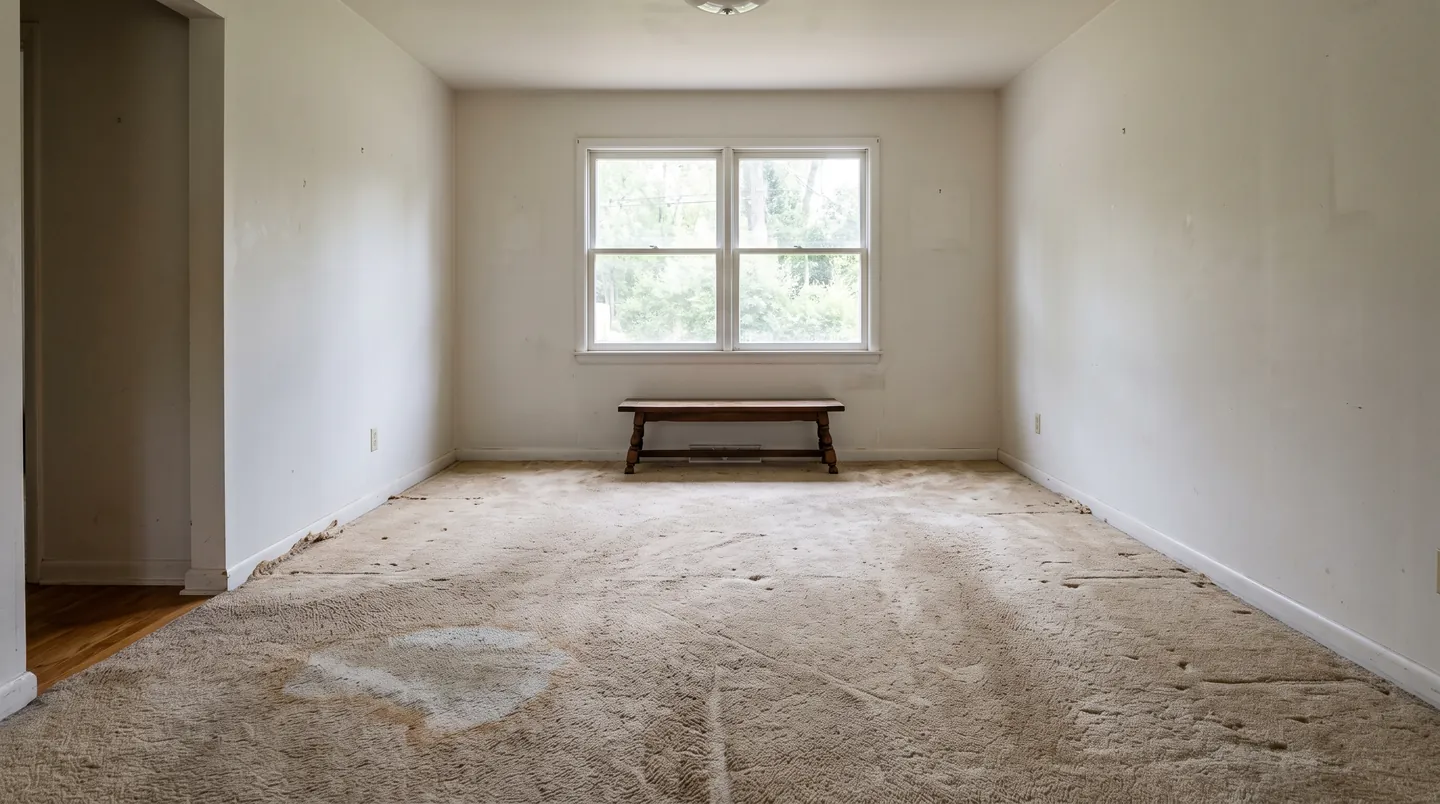
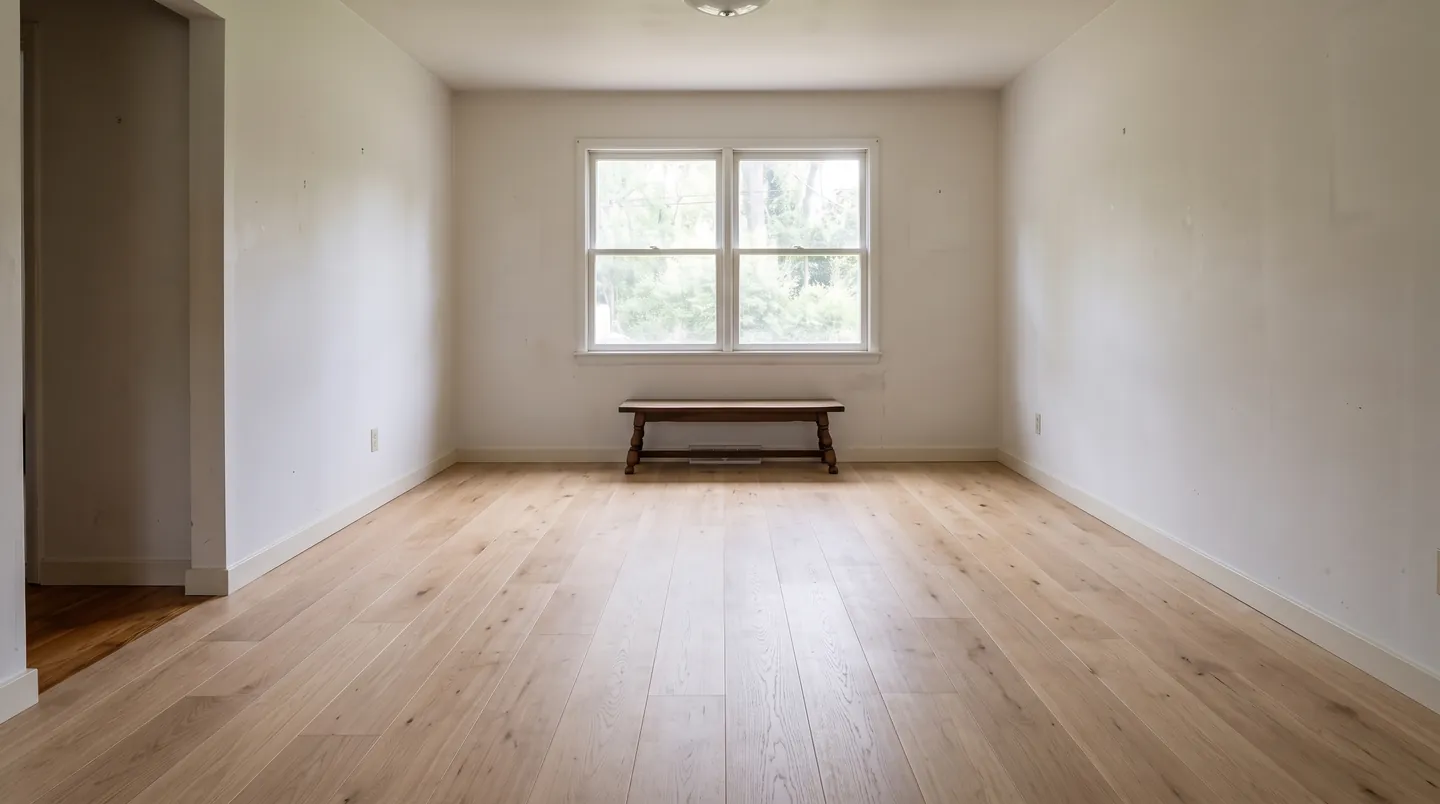
Drag to compare

Room before replacement, with worn stained carpet
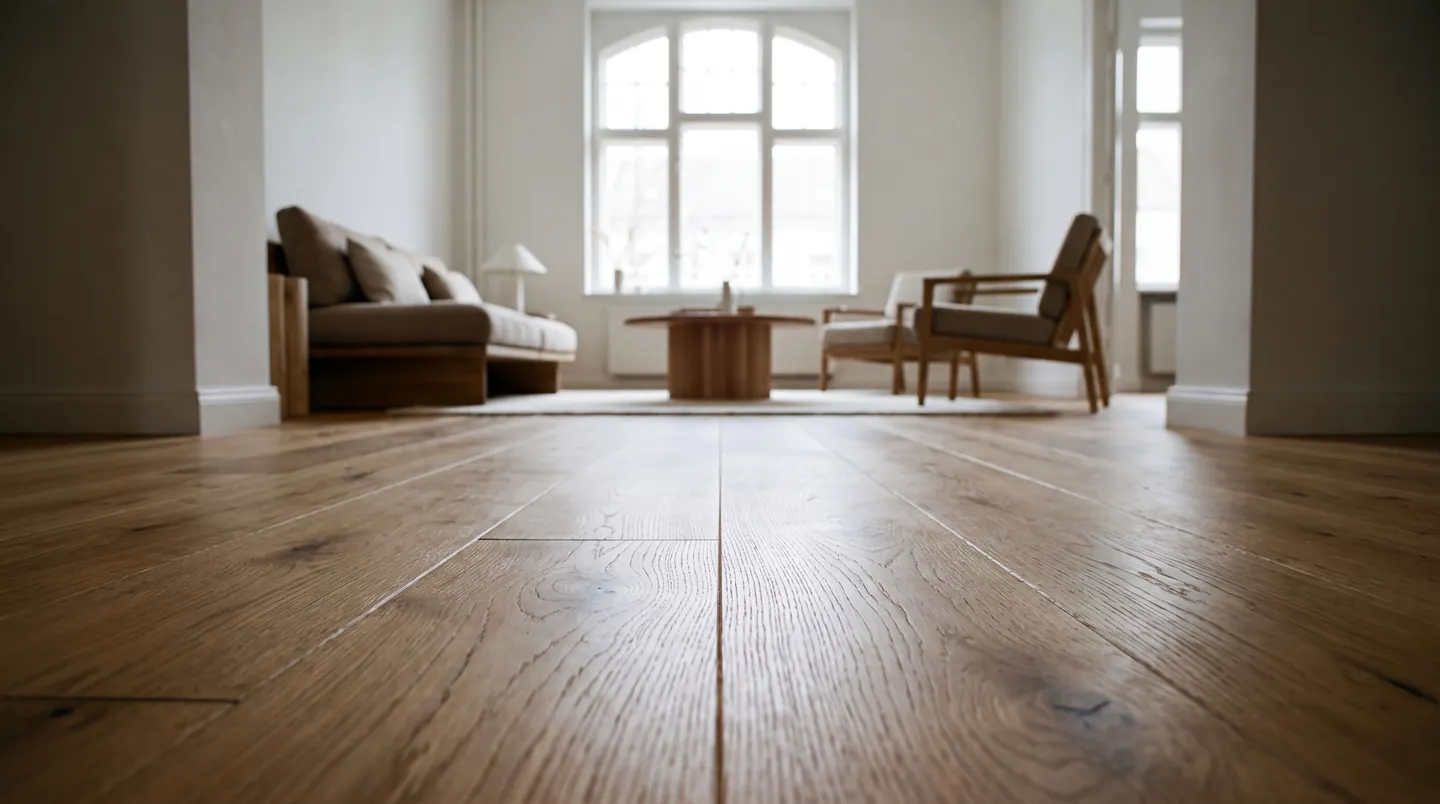
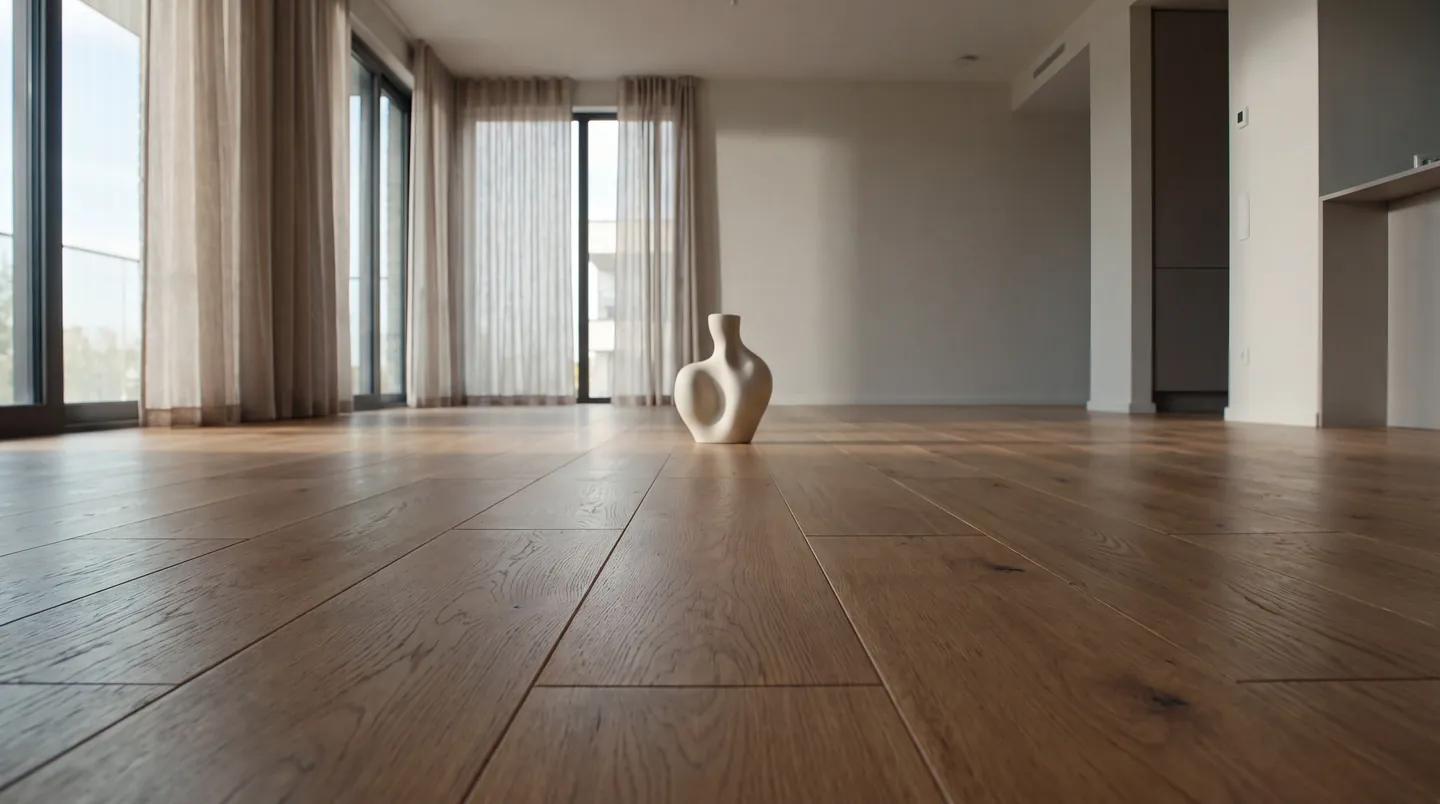
Same room after replacement, with new wide-plank oak

Illustrative render of one room with two floors. Not a completed client project.

Flooring replacement is two projects in one: removing the old floor safely and building a sound base for the new one. Here's how to decide between repair and replacement, and what a well-run tear-out involves.

Decide Whether You Need Flooring Replacement or a Repair

Not every tired floor has to go. A few scratched planks, one cracked tile or a stained patch of carpet can often be fixed, especially if leftover material from the original job is sitting in the garage. Replacement makes sense when damage is widespread, the subfloor is compromised or the product is simply worn out.

Matching is the catch. Dye lots shift, styles get discontinued, and a fresh tile next to fifteen-year-old grout rarely disappears. Be honest with yourself about how much a visible patch will bother you. If a full change is on the table, browse our flooring collections by material.

Repair or Replace: Decision Logic

A few boards or tiles are damaged and you have spare material
Repair. Swap individual pieces and blend the finish or grout.
Water cupped your hardwood but the subfloor is dry and sound
Dry the area and wait. Mild cupping often relaxes, and sanding too soon leaves boards crowned later.
Click-lock vinyl or laminate is damaged mid-room
Repair is possible but usually means unclicking rows from the nearest wall. Weigh that labor against redoing the room.
There are soft spots, rot near a toilet or squeaks across the room
Replace, and budget for subfloor repair underneath.
Carpet is matted, stained throughout and holding odor
Replace carpet and pad together. Cleaning can't restore crushed fiber.
Three floor types chop up one level
Replace with one continuous floor and lose the awkward transitions.

Repair or replace

Three questions before you tear anything out.

01

Is the damage limited to a few boards, tiles or one small area?

02

Is the subfloor solid, with no soft spots, rot or ongoing moisture?

03

Can you still get matching material, or is it hardwood that can be sanded?

Answer the questions for a starting point. An on-site assessment is still the final word.

Refinish or Replace Hardwood Floors

When a refinish is enough, and when replacement wins
ConditionRefinishReplace
Dull finish, light surface scratchesScreen and recoat if wear stops at the finishNot needed
Deep scratches and gray traffic lanesFull sand and refinish on solid hardwoodOnly if damage reaches deep into the wood
Engineered floor with a thin wear layerLimited; may take a recoat but not a sandingOften the only fix for deep damage
Boards sanded so thin the tongue showsNoYes
Permanent cupping, buckling or subfloor rotNoYes, after fixing the moisture source
You want a new species, width or patternStain changes color onlyYes

Solid hardwood can typically be sanded several times over its life. With engineered floors, confirm the wear layer thickness before anyone brings in a sander. Our hardwood flooring guide compares wear layers and species.

How a Well-Run Flooring Replacement Unfolds

Expect this order from any installer doing tear-out and replacement in one project.

  1. Confirm what's under the current floor by lifting a floor register or a carpet corner and counting the layers.
  2. Test any suspect materials before demolition starts.
  3. Clear the rooms, move appliances and pull toilets where the new floor runs beneath them.
  4. Remove baseboard carefully if it's staying, and label each piece by wall.
  5. Tear out flooring, underlayment, tack strip, staples or mortar, and haul it away with dust control in place.
  6. Inspect and repair the subfloor, then clean, flatten and moisture-test it.
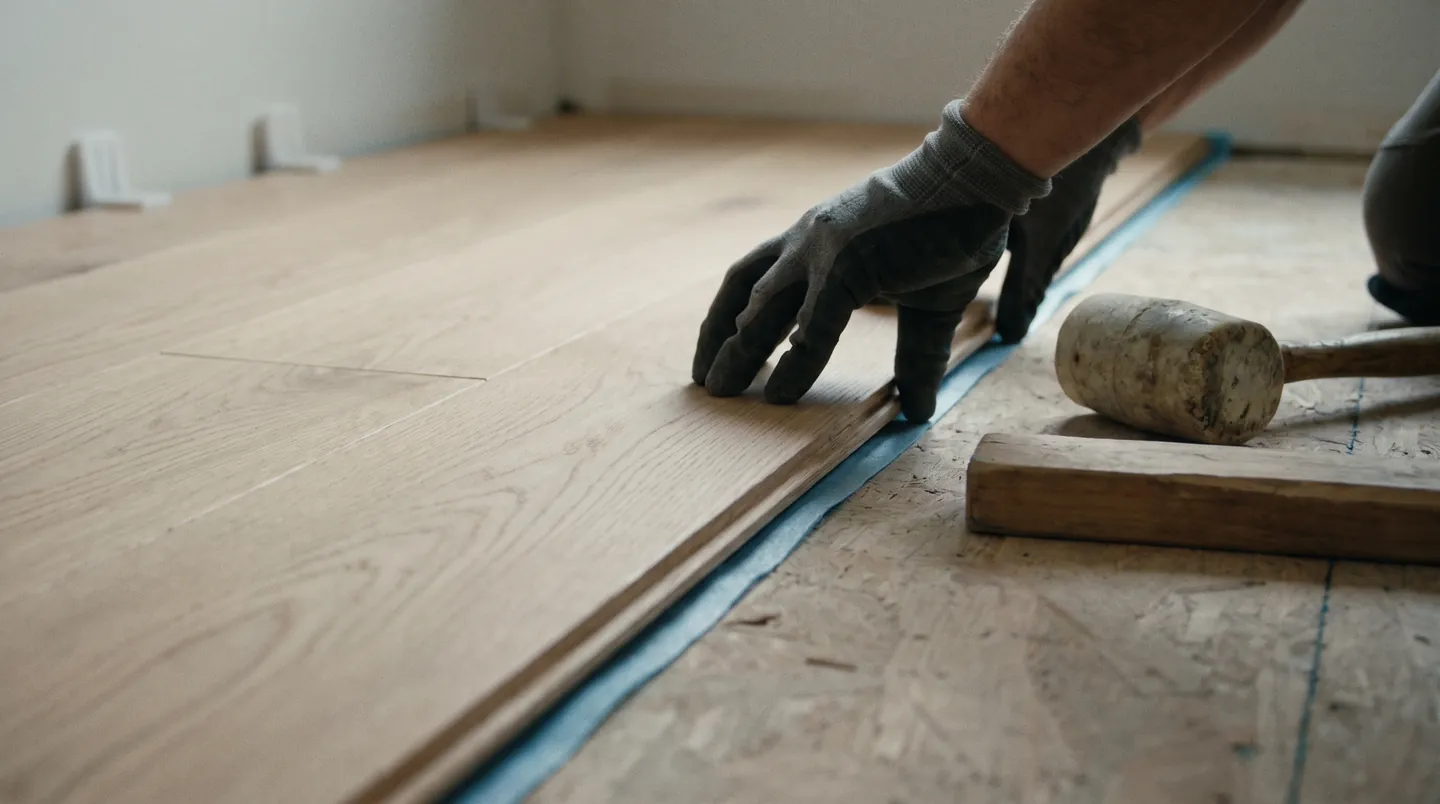
  7. Install the new floor, reinstall trim, reset fixtures and walk the finished job with you.

Subfloor Repair Is Where Replacement Budgets Move

Nobody knows exactly what's under a floor until it's up. That isn't an excuse. Old leaks leave delaminated plywood around toilets and dishwashers, and some subfloor panels were never fastened properly in the first place. A good estimate spells out how subfloor replacement gets priced, per sheet or per square foot, so a surprise doesn't turn into an argument.

Fix squeaks while the subfloor is bare. Screwing panels down to the joists takes minutes now and turns into a compromise once a finished floor covers them. Then think about height. Some manufacturers allow a floating floor over a single, well-bonded layer of old sheet vinyl, but the added thickness can trap a dishwasher under the counter or leave a lip at the next room. Our page on flooring installation standards covers the flatness and moisture checks that come next.

Get Your Home Ready for Replacement Day

  • Empty closets in the work area, plus china cabinets and bookcases that can't move loaded.
  • Have a qualified professional disconnect gas appliances. Flooring crews generally shouldn't touch gas lines.
  • Plan where pets and kids will be during tear-out, when doors stay open and dust peaks.
  • Cover HVAC returns near the work and ask what dust containment is planned.
  • Decide early whether old baseboard gets reused or replaced, since that changes the removal method.

The bottom line

What Good Flooring Replacement Leaves Behind

Sound base
A subfloor that's repaired, fastened and flat before the new floor goes in.
Safe removal
Older resilient materials tested before anyone breaks them up.
Working heights
Doors, appliances and adjoining rooms that still clear and meet cleanly.
Repair-ready
Spare material from the same run, saved for future fixes.

Ready to scope the work? Request a flooring replacement estimate, or browse design inspiration while you decide.

Flooring Replacement questions

Can new flooring be installed over old flooring?

Sometimes. Many floating floors can go over a single layer of flat, well-bonded sheet vinyl or tile if the manufacturer allows it. Carpet always comes out first, and cushioned or damaged layers usually do too. Check the added height against doors, appliances and adjoining rooms before deciding, and follow the new product's installation guide.

Is it cheaper to refinish or replace hardwood floors?

Refinishing usually costs less because you keep the existing wood and pay mainly for labor and finish. It's only an option when the boards have enough thickness left and damage stays near the surface. Thin engineered wear layers, deep water damage or boards sanded down to the tongue push the decision toward replacement.

How do I know if my old floor contains asbestos?

You can't tell by looking. Older vinyl tiles, sheet vinyl backing and black adhesives, especially in homes built before the 1980s, are the usual suspects. Have a qualified professional take samples for laboratory testing before anyone sands, scrapes or tears out the floor. Ask that professional which local removal and disposal rules apply.

Should I paint before or after replacing flooring?

Paint walls and ceilings first, so drips and ladder feet land on the old floor. Install the new flooring next, then put up baseboard and do final trim paint and caulk last. Nail holes and scuffs from installing trim always need touch-up, so leave a little paint for the end.

Request an estimate for flooring replacement

Your dream space starts here

Out with the old floor, in with the right one.

Tell us about the room, the way you live in it and the look you're after. We'll come back with materials that suit it and a clear estimate.