

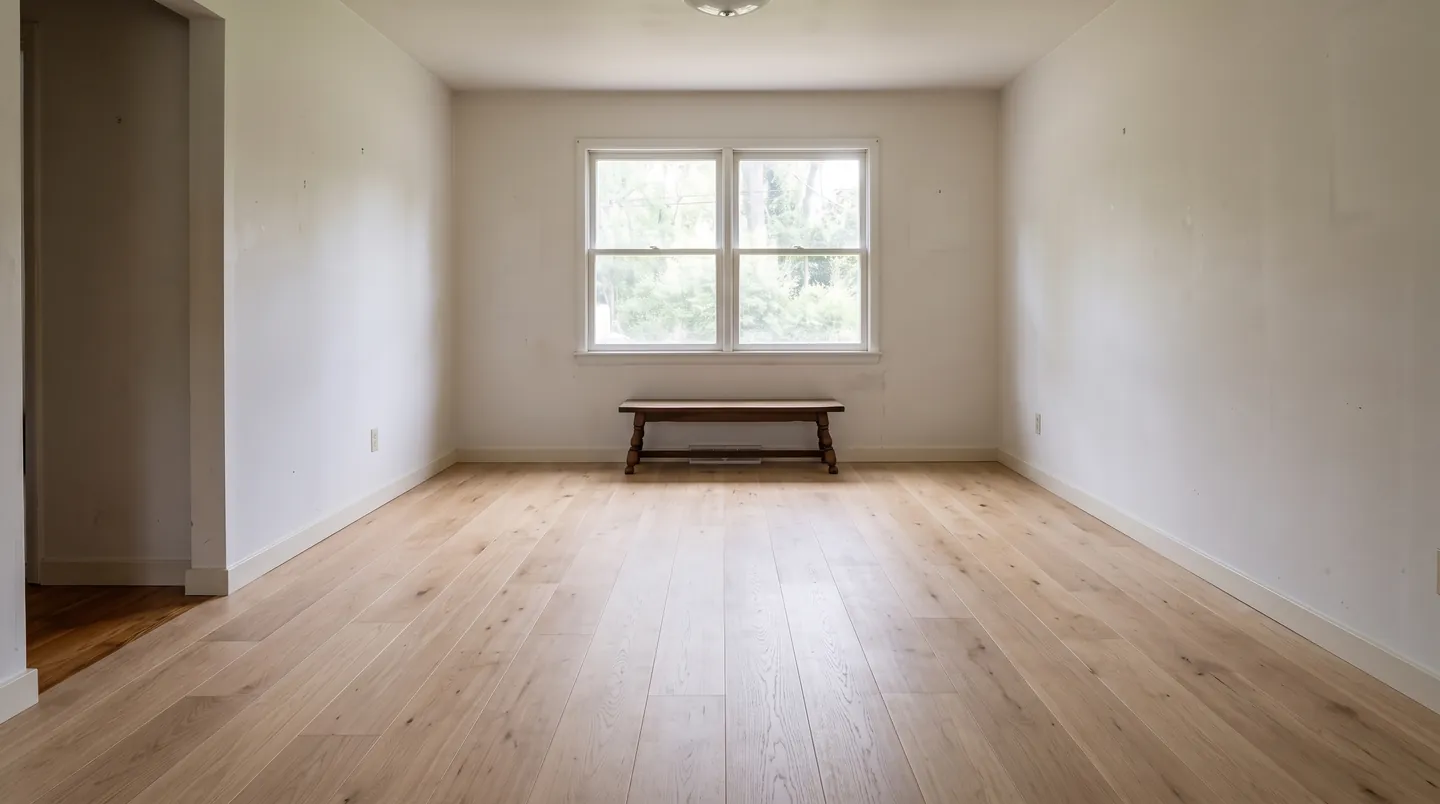
Original Oak Often Hides Under Littleton Carpet
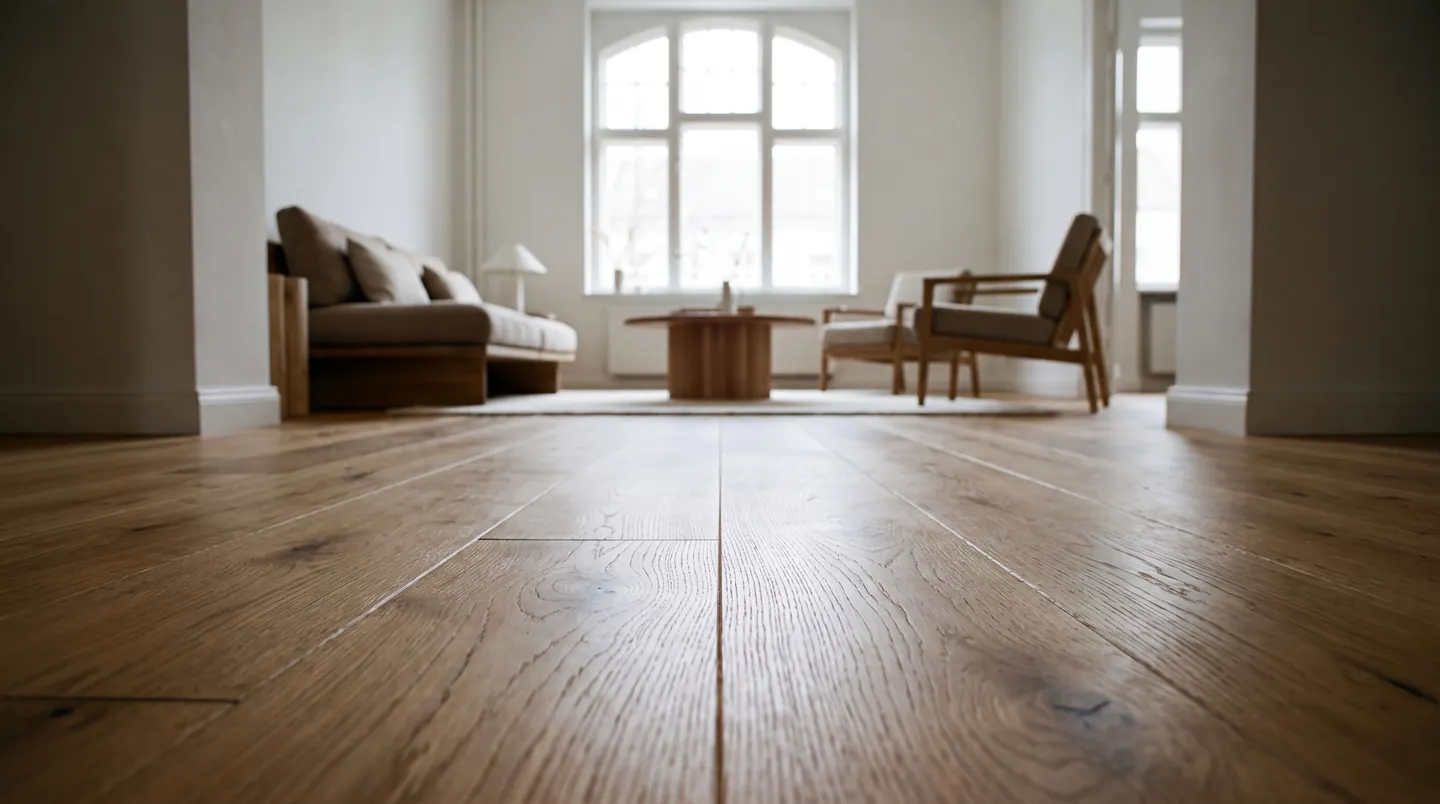
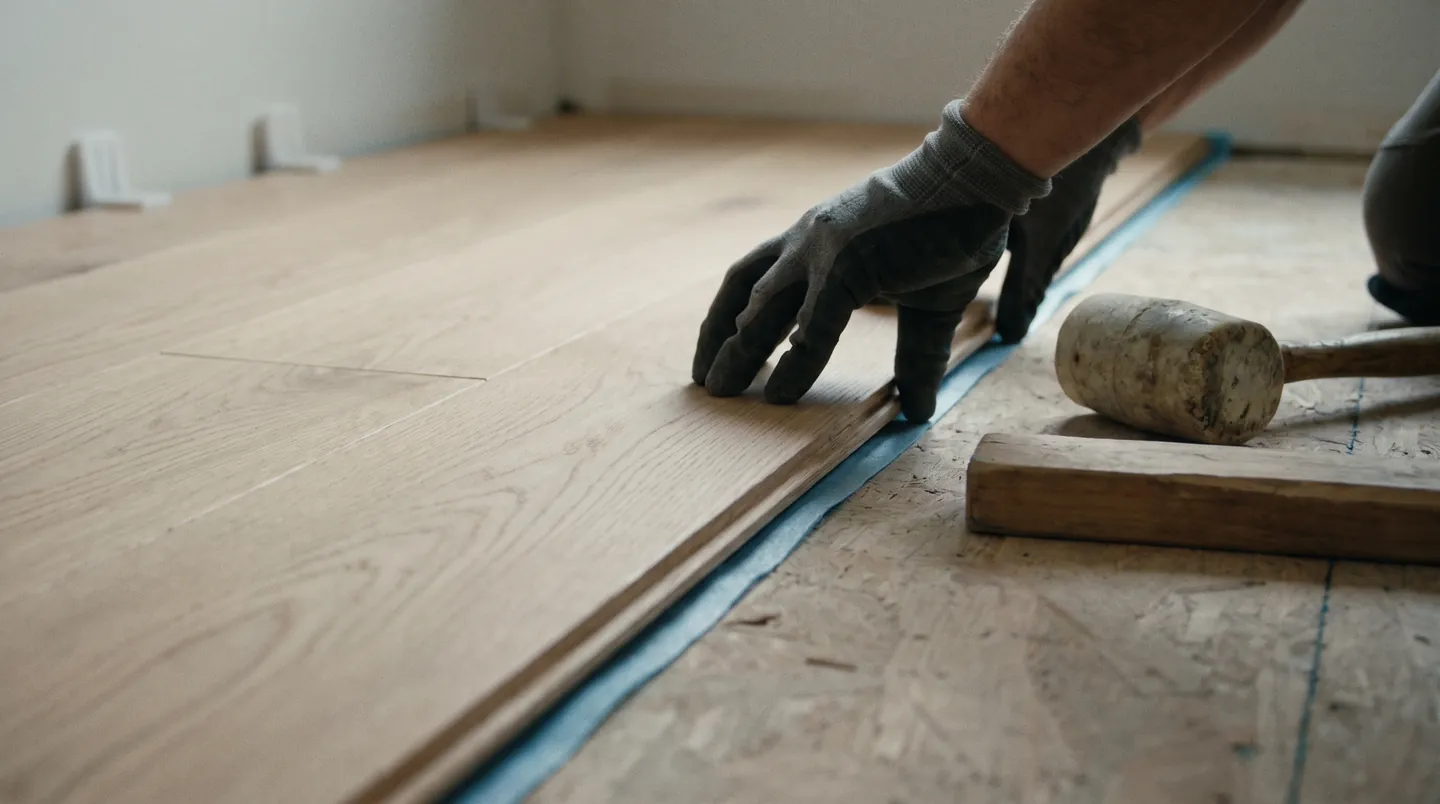
Houses from the 1950s and 1960s commonly got narrow strip oak, then lost it under carpet a decade or two later. Pull back a corner in a closet or at a floor register and you'll usually know in five minutes. The tell is tongue-and-groove strip, often 2 1/4 inches wide, running continuously under the walls.
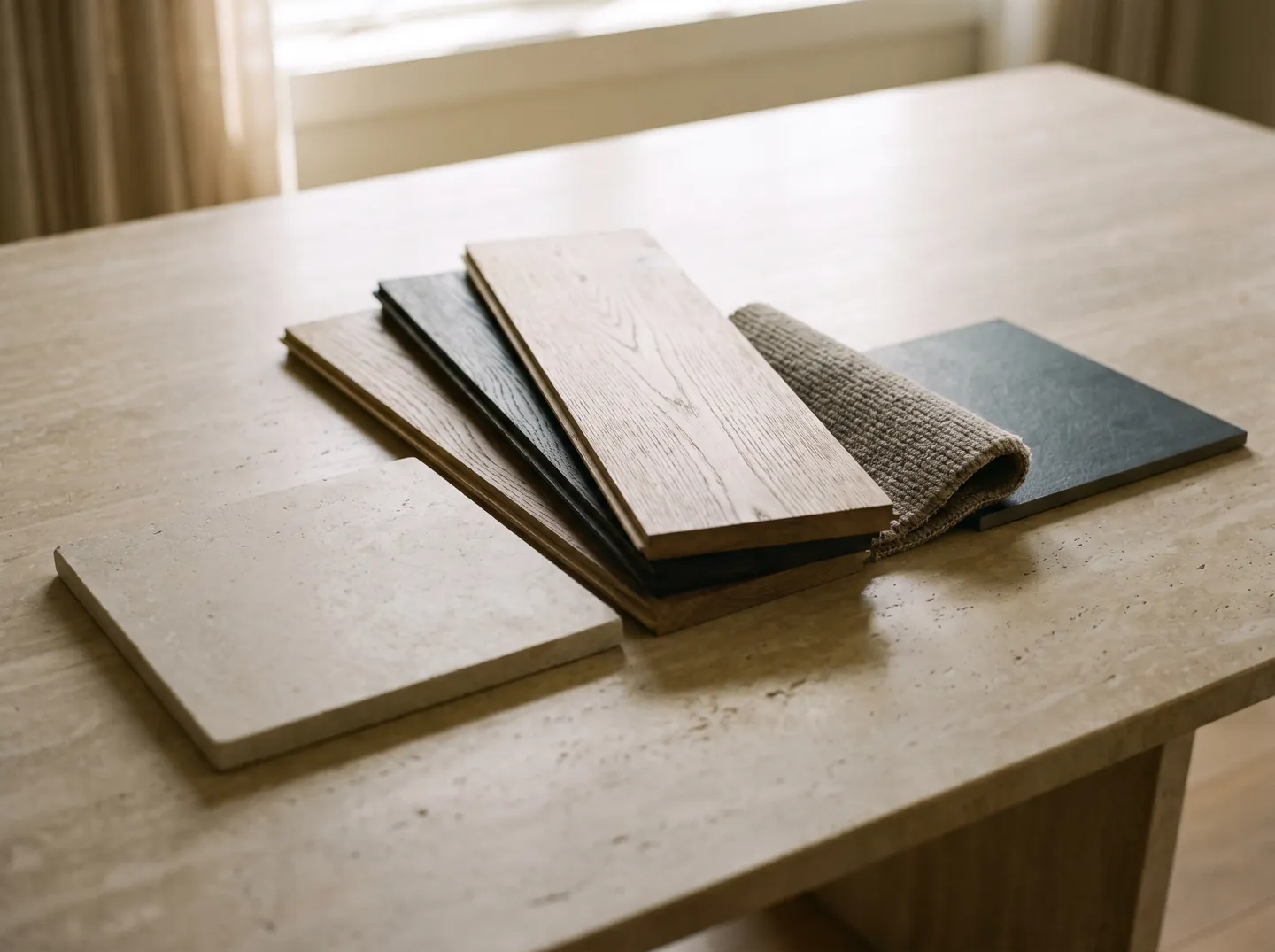
Finding wood is only half the answer. Tack strip, pad adhesive and pet accidents that soaked through the pad decide whether you're sanding or shopping for new solid and engineered hardwood.
Five Checks Before You Commit to Refinishing
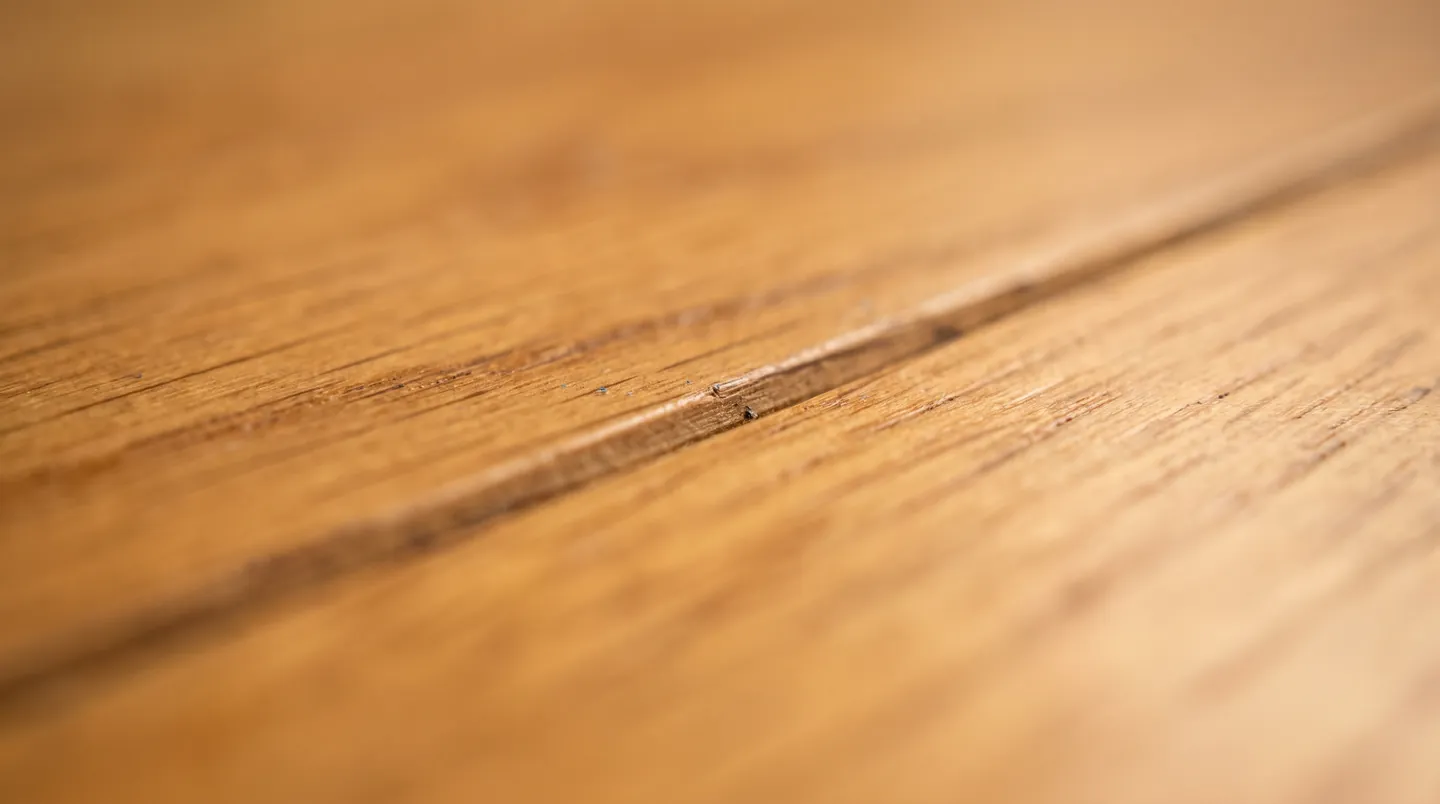
- Pull a register and study the board edge. New 3/4-inch strip has roughly 1/4 inch of wood above the tongue, and every past sanding took some.
- Look for black rings near doorways and in bedrooms. Pet urine darkens oak deep into the grain, and sanding rarely lifts it.
- Sight along exterior walls and above heat ducts. Cupped or crowned boards point to a moisture or heat problem to fix first.
- Count tack strip and staple holes. They fill well under a mid-tone stain and show under a pale natural finish.
- Find patches where a wall moved or a register was relocated. Remodeled ranches often hide boards that don't quite match.
Refinish or Replace: Let the Floor Make the Call
Basements Near the South Platte Corridor Get Tested First
The South Platte River corridor runs through the area, and lower ground near any river can carry groundwater closer to a slab than a lot on a rise. That's no reason to panic. It's a reason to measure before buying flooring for a split-level's lower floor or a full basement.
Older slabs often went in without the vapor retarder that's standard under new concrete, so moisture keeps moving upward even through a dry Front Range winter. A slab can feel dry and still fail a test.
Two Ways to Measure a Basement Slab
| Calcium chloride (MVER) | In-situ RH probe | |
|---|---|---|
| What it measures | Vapor leaving the slab surface over roughly 60 to 72 hours | Relative humidity inside the slab at a set depth |
| Test standard | ASTM F1869 | ASTM F2170 |
| Best for | Quick screening | Products whose guides call for RH readings |
Whatever the number, the product's own installation guide sets the pass or fail limit. When readings pass, rigid-core luxury vinyl plank and porcelain tile for basements are the safe defaults. Fit a removable collar around any radon pipe so its slab seal stays intact.
Newer Subdivisions South and West Raise Different Questions
Newer neighborhoods to the south and west have no oak hiding anywhere, just builder carpet and sheet vinyl at the end of its life. Parts of Littleton reach into Douglas County, where expansive clay soils are common and many newer basements have a structural wood floor over a crawl space. Check which one you have, since nailing, gluing and moisture all work differently over wood.
Compare flooring in Highlands Ranch or browse every Front Range community we serve. Once you know what's under the carpet, request a Littleton flooring estimate.
Littleton flooring questions
How do I check for hardwood under carpet without damaging anything?
Start in a closet corner or beside a floor register, where carpet lifts and re-stretches easily. Grip the carpet with pliers, pull it off the tack strip, fold the pad back and look for narrow tongue-and-groove boards. If you find plywood or particleboard, check a second room before giving up, since some houses only had oak in the living areas.
Can I refinish only the rooms that were carpeted?
You can, but freshly sanded oak won't match boards that have been finished and exposed to light for years, because oak ambers as it ages. In a ranch where one hallway connects every room, refinishing the whole connected area at once gives one consistent color. If budget forces a split, stop at a doorway or a change in board direction.
Does the lower level of a split-level need a different floor than the main level?
Usually. That lower floor often sits partly below grade on concrete, which rules out solid hardwood. Test the slab, then pick rigid-core vinyl, porcelain tile or an engineered product approved below grade. Choosing a similar tone on both levels keeps the half-flight between them from feeling like the border between two different houses.