
Old Oak and Fir Decide What's Possible in an Older Denver House
Pull up carpet in an older house and you'll often find oak or fir. They behave nothing alike. Oak is hard enough to sand several times and takes stain evenly. Douglas fir is far softer, dents under furniture feet, and its bold grain drinks stain unevenly, so it usually looks best under a clear finish that lets it go amber.
Some floors are simply done: boards sanded down to the tongue, rot near an old radiator, kitchen additions patched in another species. Those point to replacing the floor instead of sanding it again.
How New Boards Get Woven Into an Old Floor
Weaving (also called toothing in) is how hardwood repair and refinishing hides a patch.
- Match species, width and thickness. Some old face widths are no longer milled.
- Cut out damaged boards at staggered lengths so the new pieces never line up into a visible rectangle.
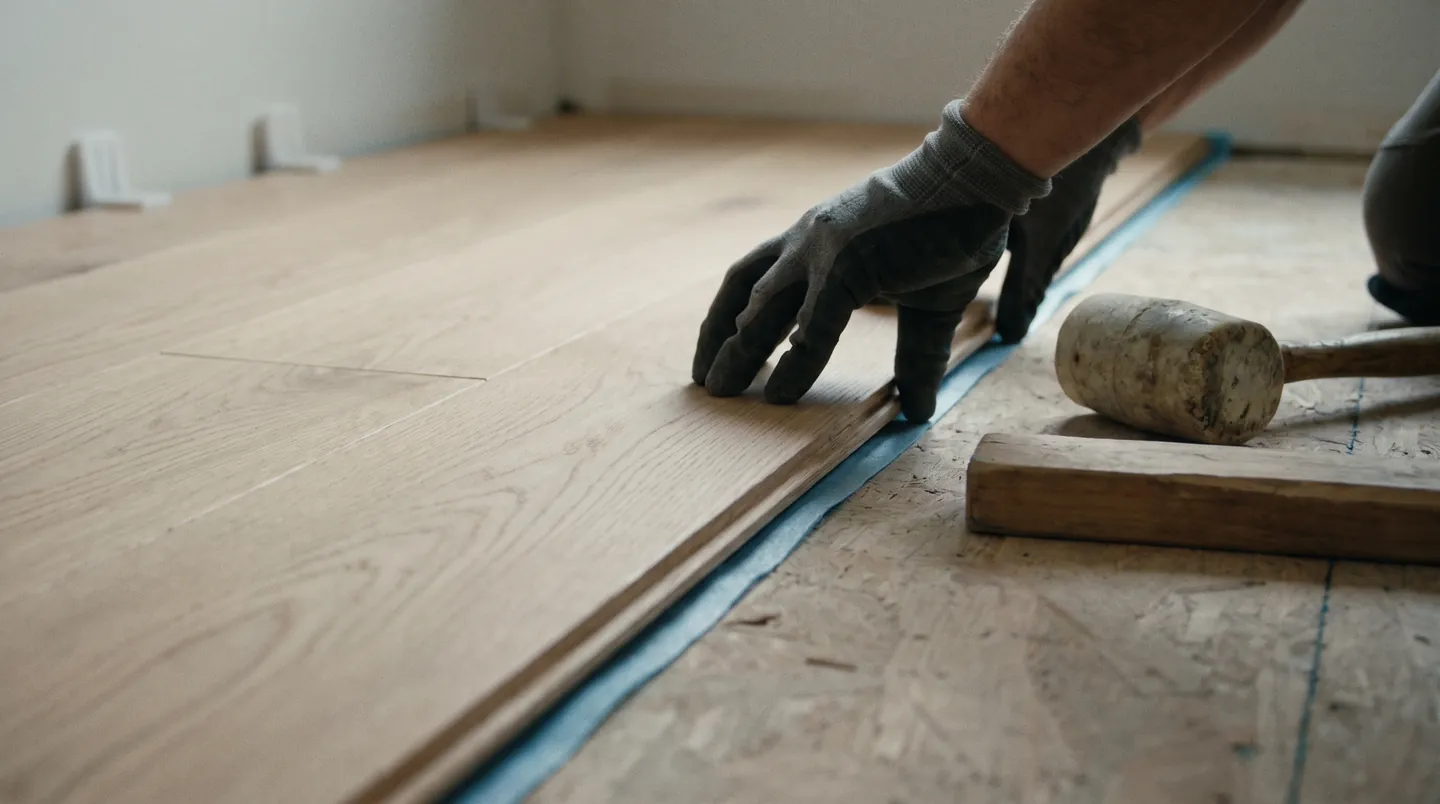
- Fit each new board into its neighbors' tongues and grooves, trimming the lower groove lip on the last piece so it drops in.
- Acclimate first. Reclaimed boards usually sit closer to old-floor moisture content than new stock does.
- Sand and finish the entire room, not just the patch. Old and new only blend under one continuous finish.
Out-of-Level Subfloors Need a Plan Before Any New Floor
A century of settling, sagging joists and plumbers' notches can drop a floor noticeably from wall to center. Nail-down hardwood tolerates some of that. Click-together vinyl and laminate tolerate very little, and many of their guides want flatness within about 3/16 inch over 10 feet.
Condo and Loft Flooring Starts With the Association's Sound Rules
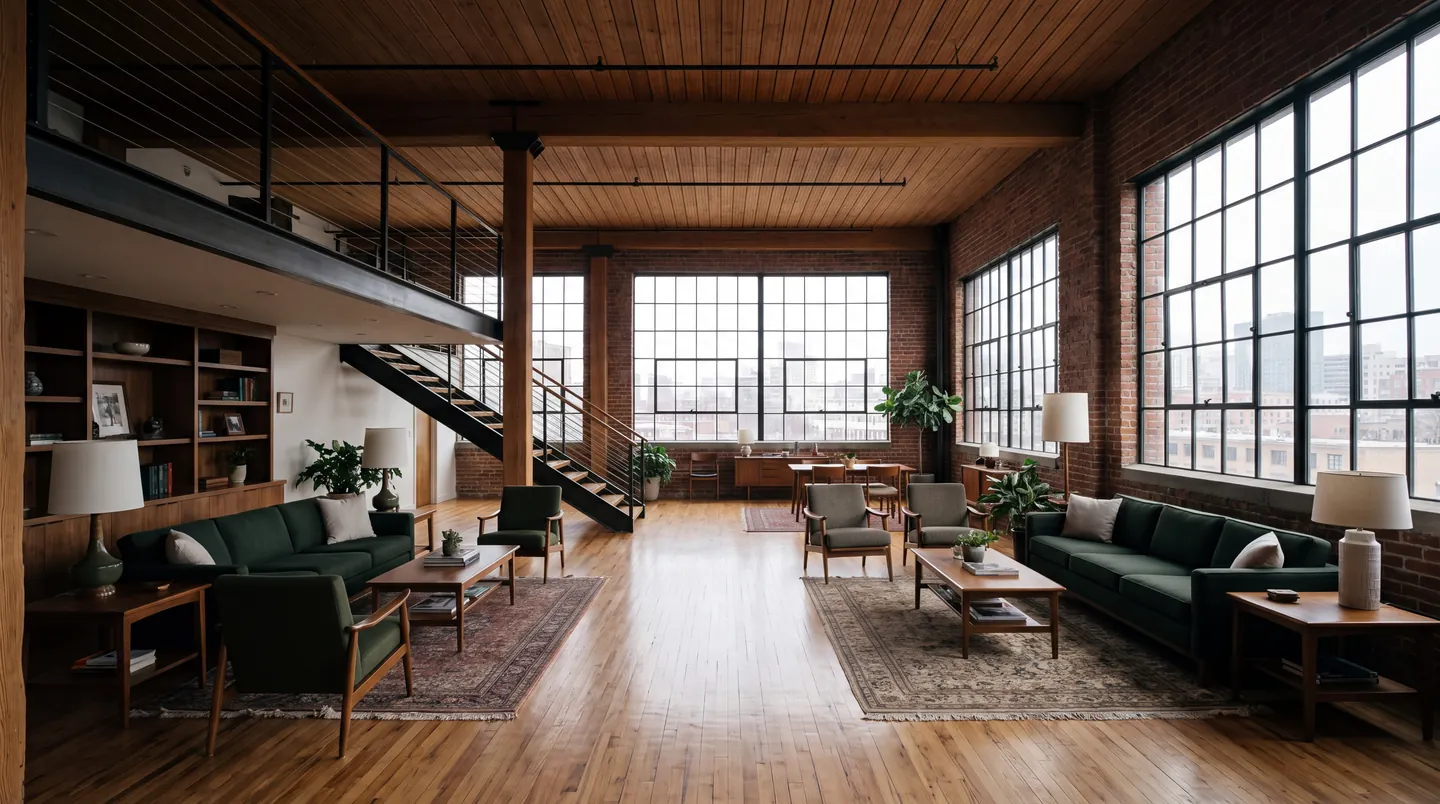
Condos and lofts in LoDo, RiNo and Capitol Hill commonly come with association rules for hard flooring, and those rules usually name a minimum sound rating. Read them before you pick a plank, since footsteps that carpet absorbed travel straight into the unit below a hard floor.
IIC and STC Measure Different Noises
| Rating | What it measures | What moves the number |
|---|---|---|
| IIC (Impact Insulation Class) | Footsteps, dropped objects and chair legs heard below | Resilient underlayment, cork or rubber layers, and the ceiling below |
| STC (Sound Transmission Class) | Airborne sound like voices and television | Mass of the slab and ceiling; underlayment changes it less |
| Field ratings (FIIC, ASTC) | The same noises measured in a finished building | Real-world conditions; field results usually run lower than lab results |
Ask the association whether its minimum is a lab rating or a field rating. That changes which underlayment qualifies.
Picking a Floor the Board Will Approve
Owners comparing older houses across the metro can also read about flooring in neighboring Aurora, or see all Front Range service areas. When you have the HOA rules or a photo of what's under the carpet, start a Denver flooring estimate.
Denver flooring questions
Can a fir floor in an old house be stained darker?
It can, but fir rarely takes stain evenly. Its soft earlywood soaks up color while the harder latewood resists, so dark stains tend to look striped or blotchy. A pre-stain conditioner helps a little. Most owners end up happier with a clear finish that lets fir mellow to its natural amber, which also disguises the dents fir collects.
Do I need association approval before replacing condo carpet with hard flooring?
In many buildings, yes. Associations commonly ask for a written request listing the flooring, the underlayment and its sound test data before work starts. Some also restrict work hours, elevator use and debris removal. Get the current rules from management first, because a floor installed without approval can end up coming back out.
Is it worth saving the original floors in a Denver Square or Victorian?
Often, if enough wood remains above the tongue. Old-growth oak and fir tend to be denser and more stable than a lot of new stock, and their patina can't be bought. The case weakens when earlier sandings have thinned the boards, when water damage covers large areas, or when past remodels left patches in a different species.