Why So Many Castle Rock Basements Have Wood Floors
Douglas County sits on bentonite-rich clay that swells when it gets wet and shrinks as it dries. A concrete slab poured straight on that soil can heave and crack. So many newer basements here get a structural wood floor instead: joists and plywood or OSB sheathing over a crawl space, framed like the main level and held off the soil.
Not sure which you have? Tap the floor in the mechanical room. A hollow sound, sheathing visible at an unfinished edge, and a crawl space hatch all point to structural wood. A solid thud and a sump pit in bare concrete mean slab.
What a Structural Floor Changes About Finishing the Basement
| Question | Slab basement | Structural wood basement |
|---|---|---|
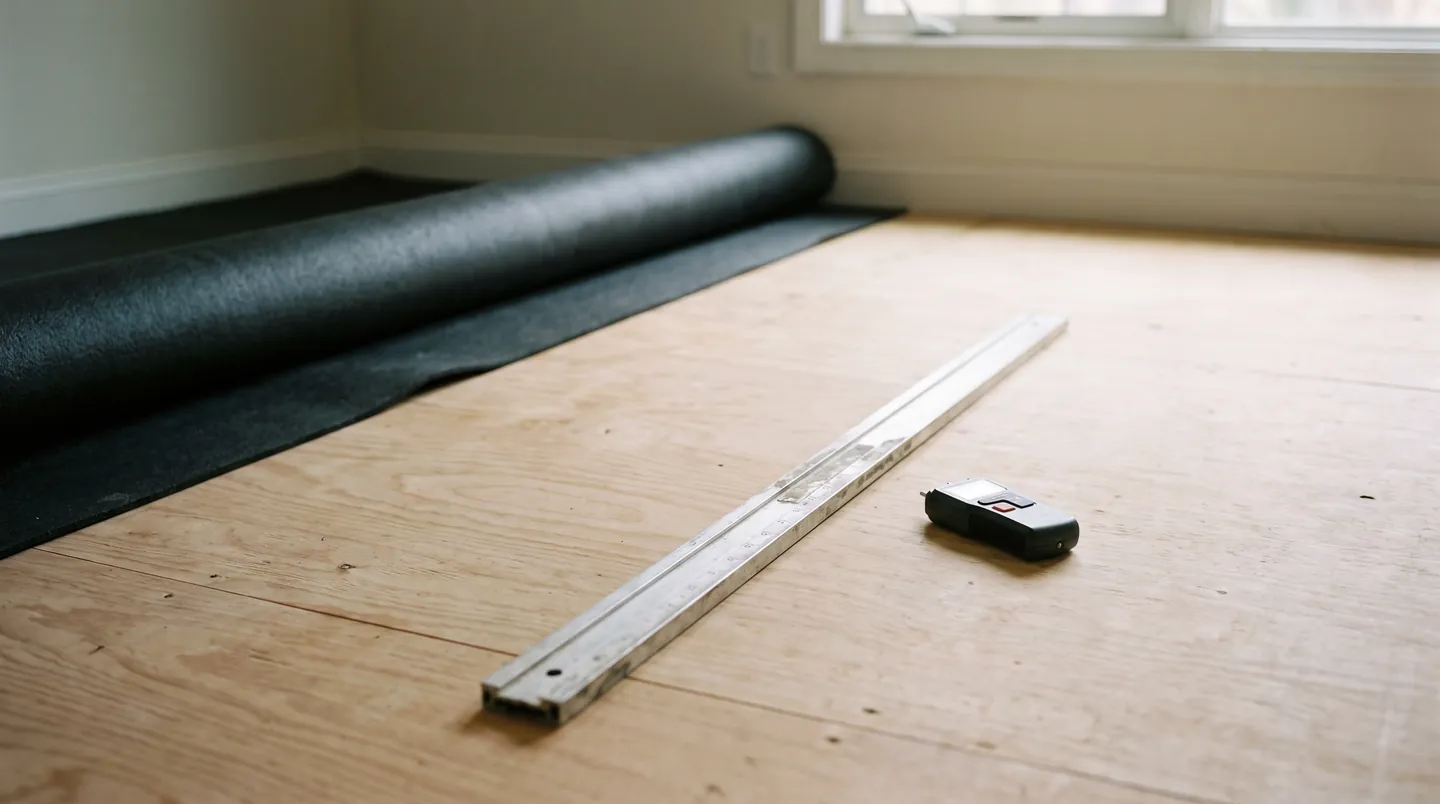
| Moisture check | Calcium chloride or in-situ RH test | Moisture meter on the sheathing, plus a look at the crawl space |
| Engineered hardwood | Glue-down or floating, where approved | Nail, staple, glue or float |
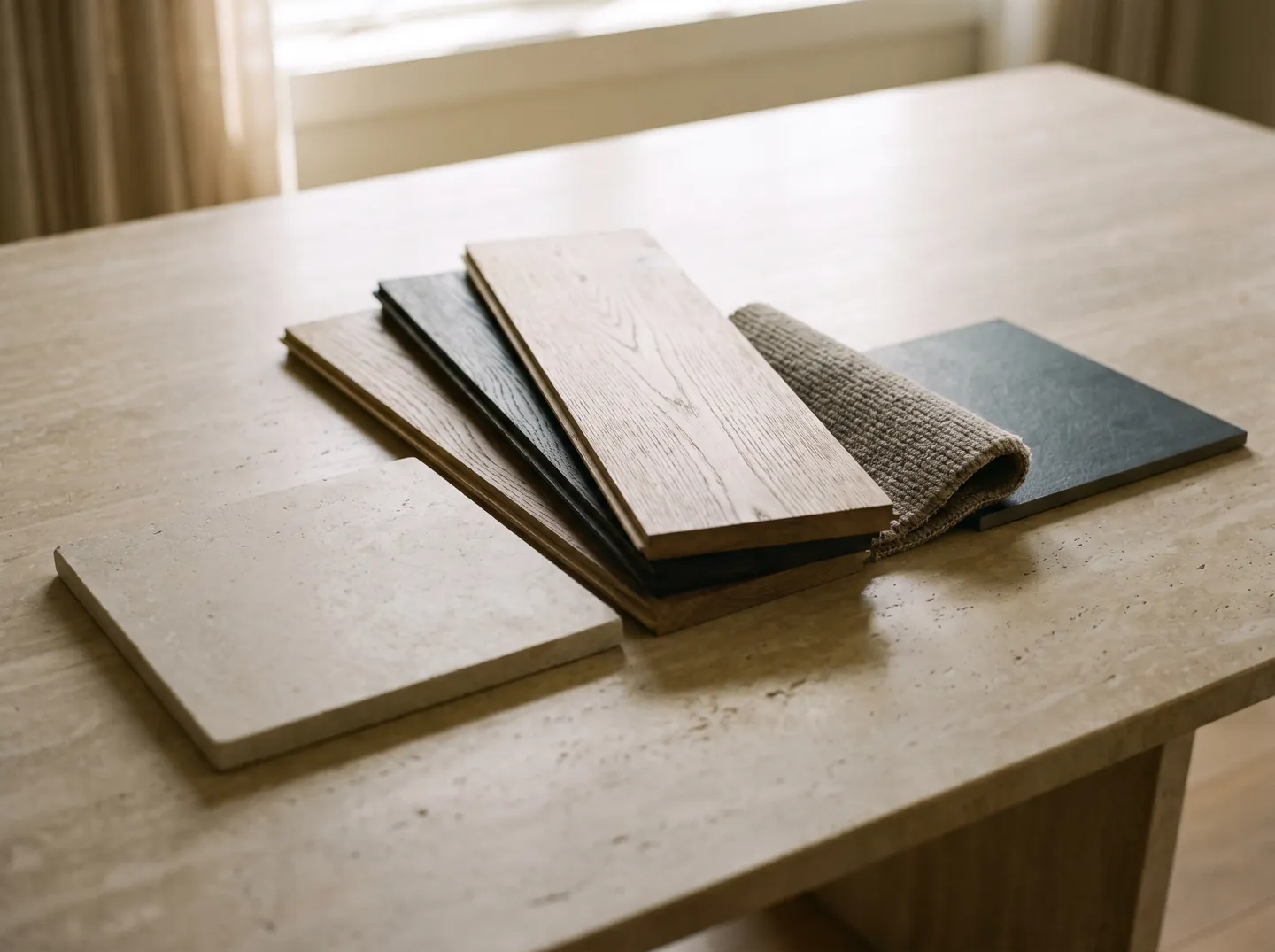
| Ceramic or porcelain tile | Bonds to concrete with crack isolation | Needs a stiff floor, often an uncoupling membrane |
| Feel underfoot | Hard and cool | A little give, noticeably warmer |
| Clay soil movement | Can crack the slab and the floor on it | Floor is framed clear of the soil |
The product's installation guide decides whether it may go in a below-grade room at all. Read it before you buy, not after.
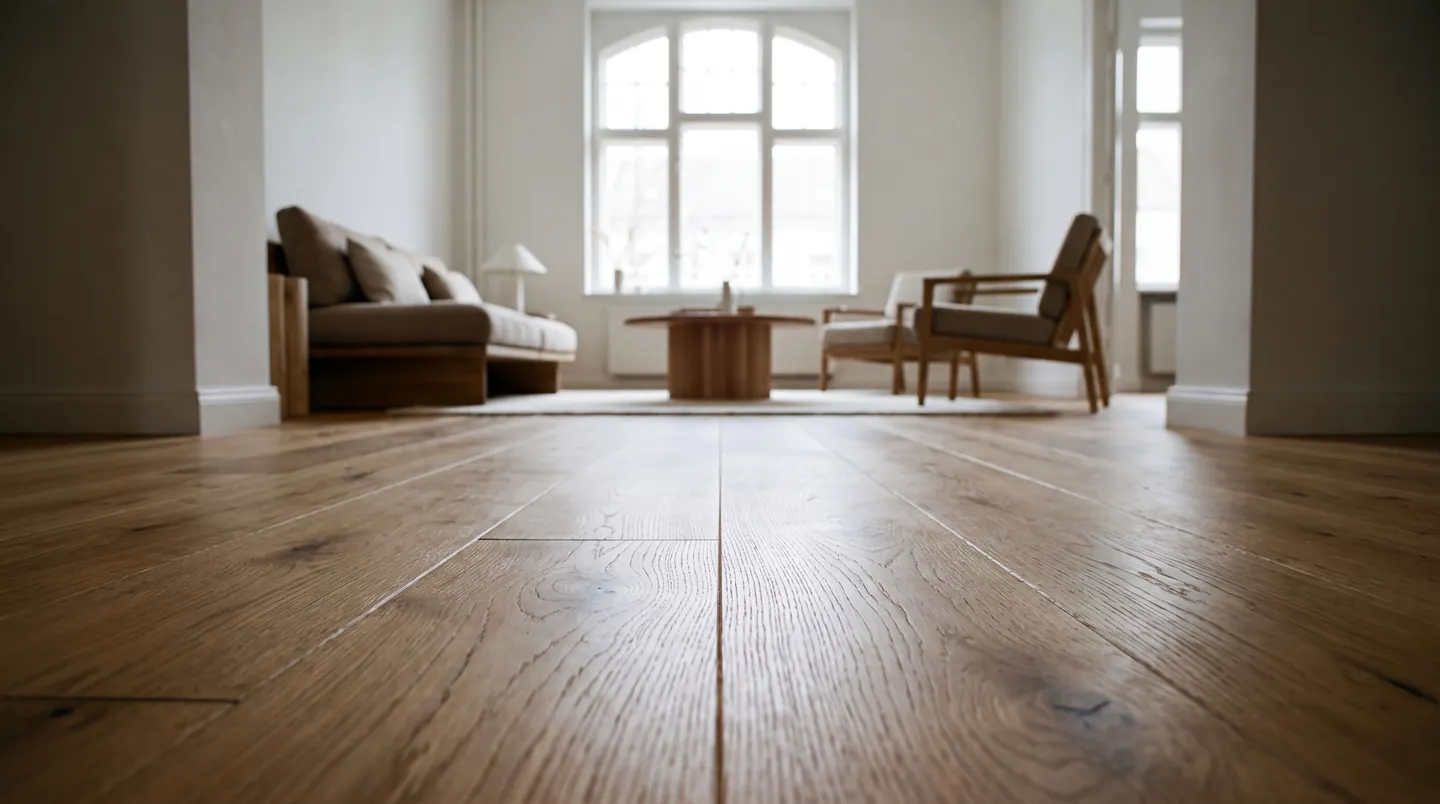
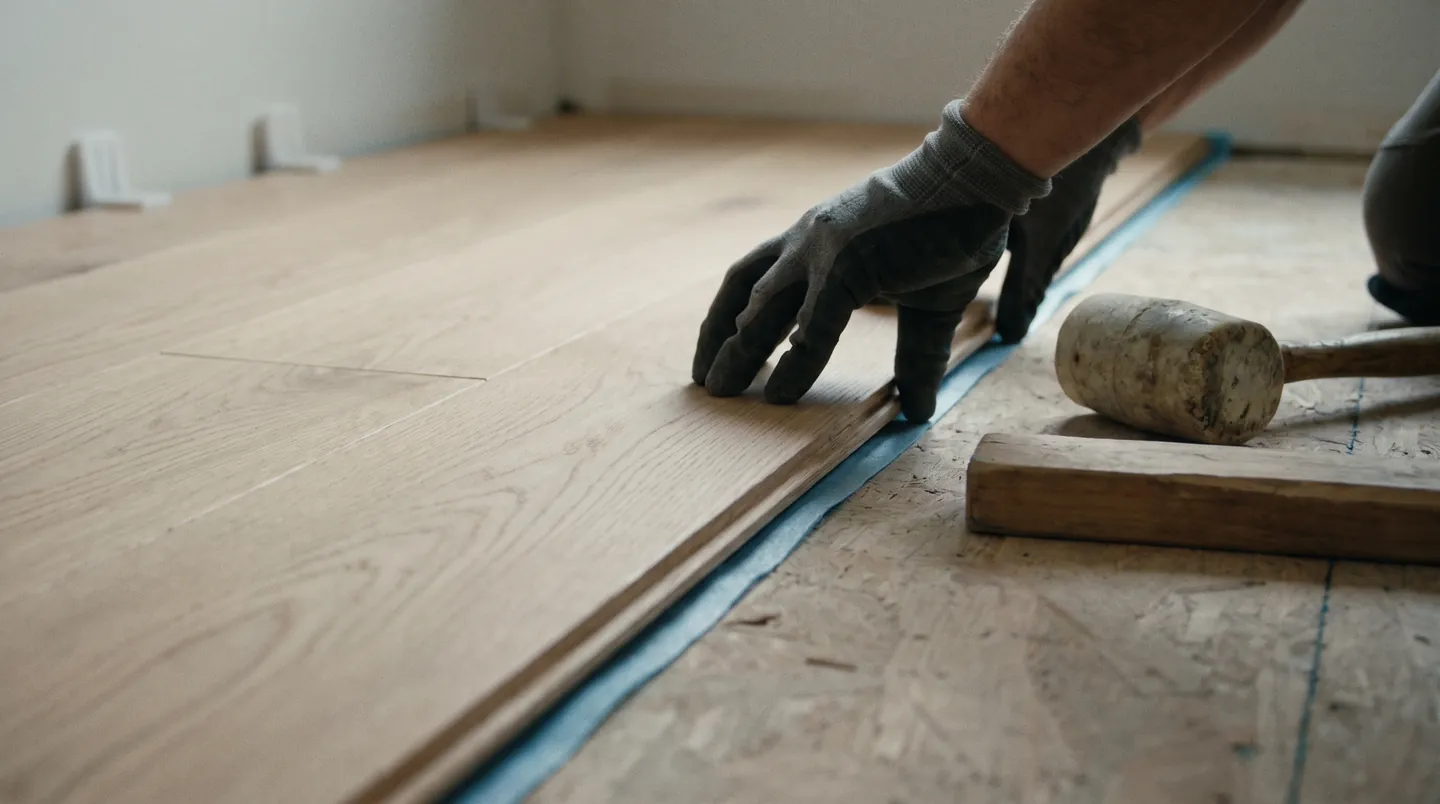
The upside is real. On structural sheathing you can nail down engineered hardwood that matches the main floor where the guide allows it, which most slab basements can't offer. Carpet also feels warmer than it does over concrete.
Moisture Still Matters Over a Crawl Space
A wood floor isn't immune to moisture. The source just moves. A crawl space with a torn vapor barrier, bare soil or poor ventilation can push humidity up into the sheathing, which then swells or cups whatever sits on it. Meter the sheathing and compare it with the flooring, just as you would upstairs. Colorado's radon potential matters here too: if a mitigation pipe runs through the floor or crawl space, the flooring gets detailed around it without disturbing the seal.
Pick the Basement Floor by How You'll Use the Room
Fast-Growing Neighborhoods on Their First Set of Floors
Castle Rock has grown quickly since the 1990s, and The Meadows, Crystal Valley Ranch, Founders Village and Plum Creek hold many houses still on their original floors. Builder carpet and thin sheet vinyl usually give out first, then the entry. Newer houses keep drying out through their first heating seasons, so a few winter gaps in a recently installed solid floor aren't automatically a defect.
The same soils run north into Parker, where many floors are 20 to 30 years old. Browse all the Front Range towns we cover, or get an estimate for your basement or main floor.
Castle Rock flooring questions
Can you install hardwood over a structural basement floor in Castle Rock?
Often, yes, as long as it's engineered hardwood approved for below-grade rooms. The wood sheathing lets you nail, staple or glue it like an upstairs floor. Check the sheathing's moisture content and the crawl space conditions first. Solid hardwood is still a poor fit below grade, so most manufacturers exclude it there.
Do I need a moisture test if my basement floor is wood, not concrete?
Yes, just a different one. Concrete gets a calcium chloride or relative humidity test. A wood floor gets a moisture meter reading on the sheathing, compared against the flooring you plan to install. Look at the crawl space too. A damaged vapor barrier or standing water below will show up in the floor above.
Will tile crack on a structural wood basement floor?
It can if the floor flexes too much. Tile needs a stiff base, and natural stone needs a stiffer one than porcelain. Have the joist size, spacing and span checked against the tile manufacturer's limits, and add sheathing or an uncoupling membrane where needed. Done right, a tiled basement bath over wood framing holds up fine.