


Older Homes Near Olde Town Arvada Reward Careful Repair
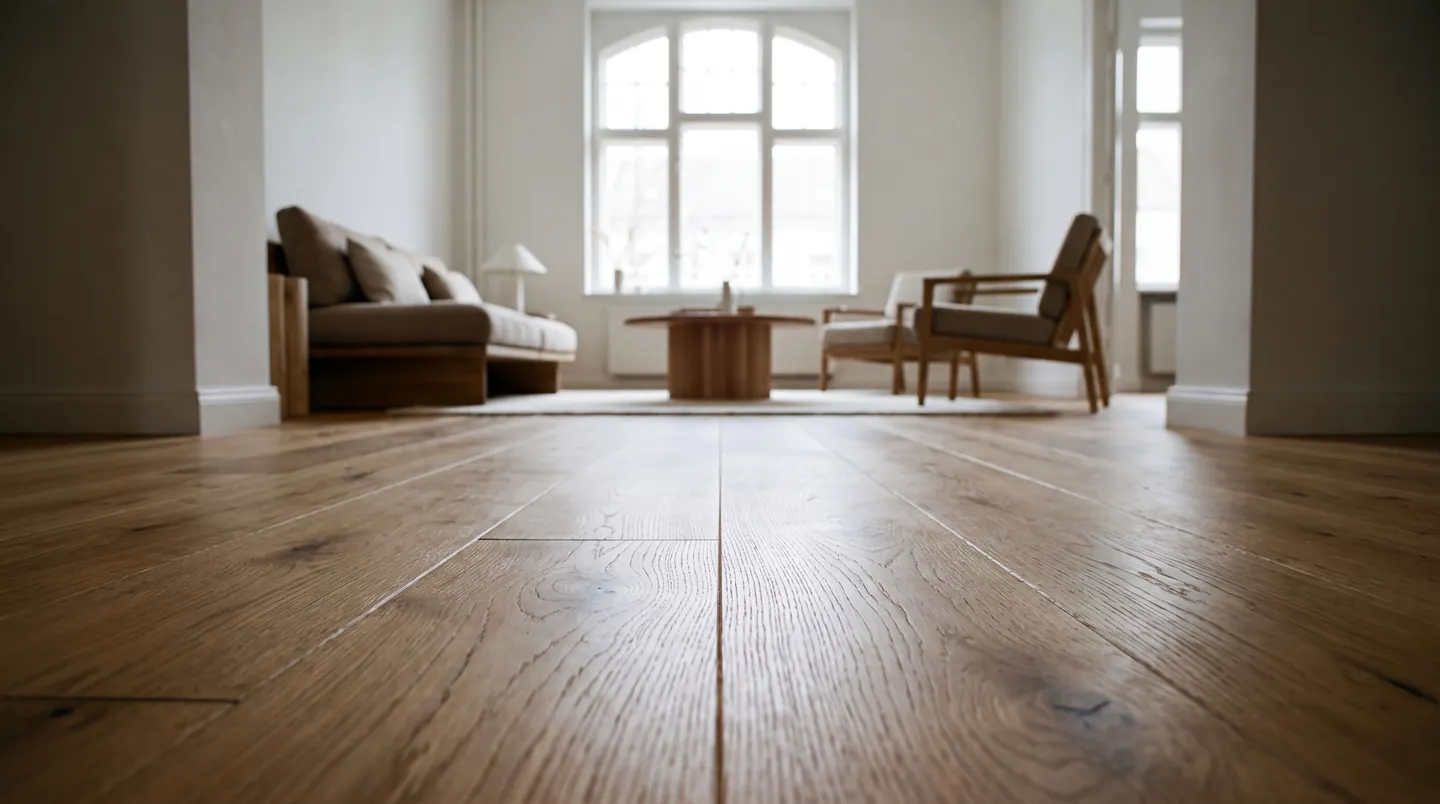
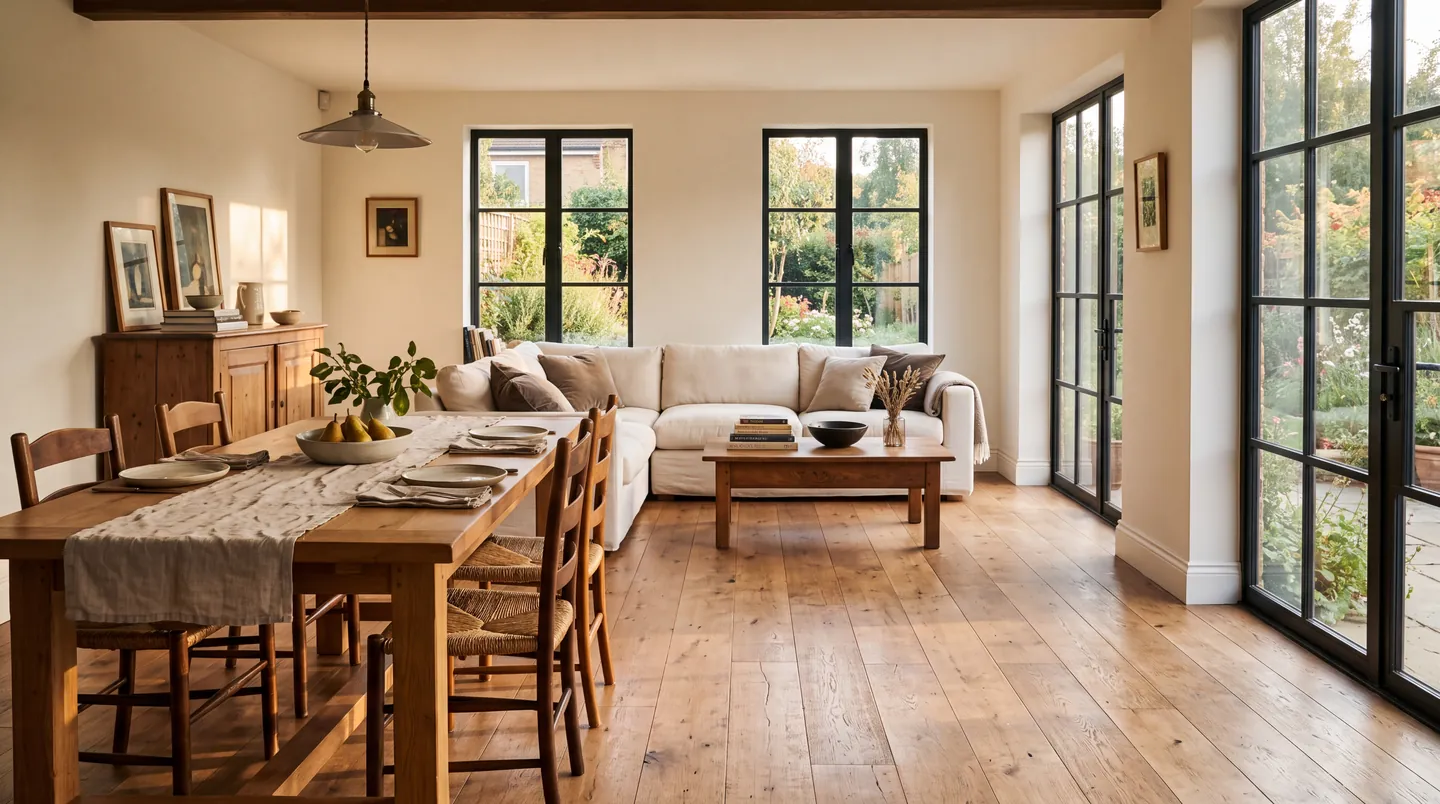
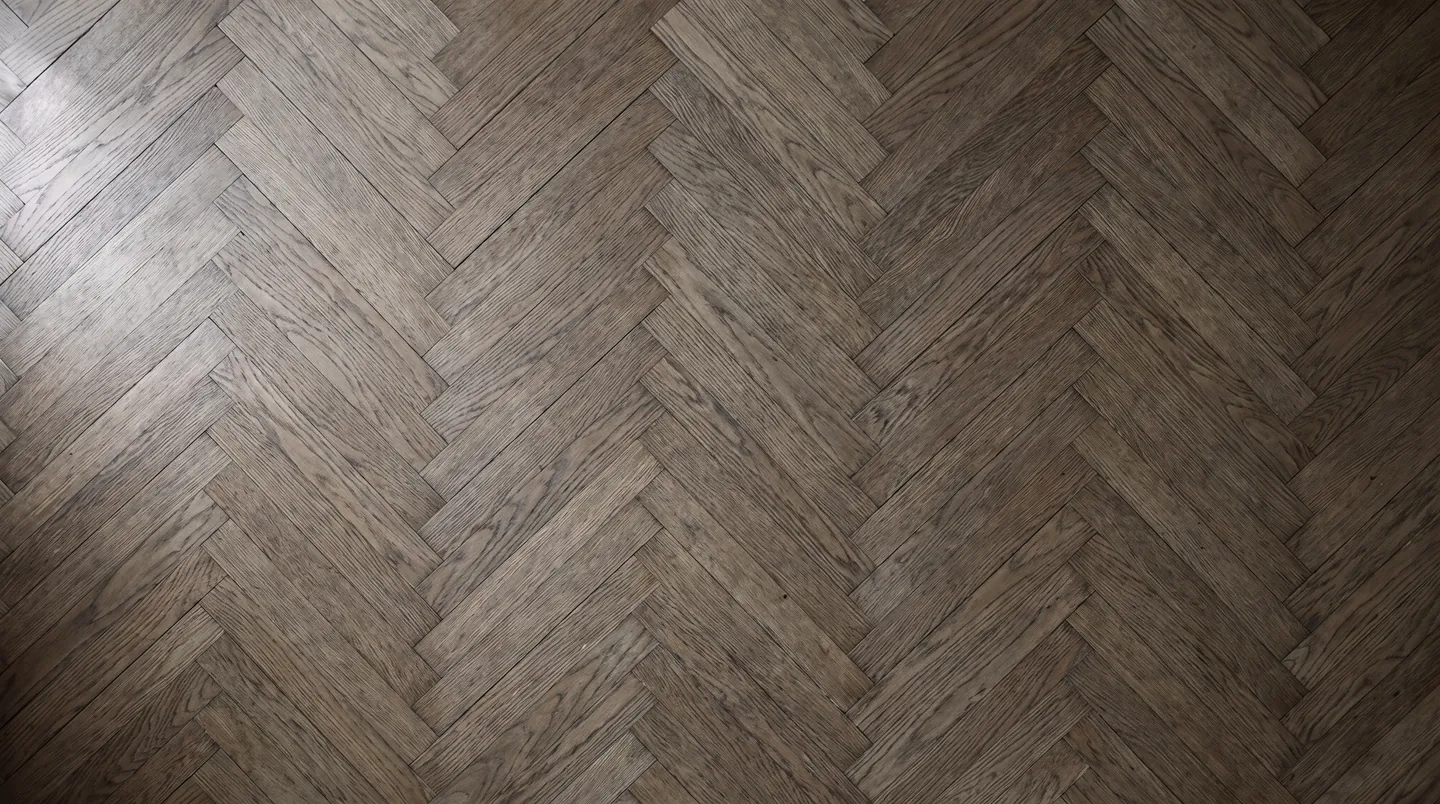
Houses near the Olde Town historic district can be a century old, and their floors show it: narrow boards, decades of finish, patches where a heat register moved or a wall came out. Identify the species, find out how much wood is left, and check whether earlier repairs used matching boards.
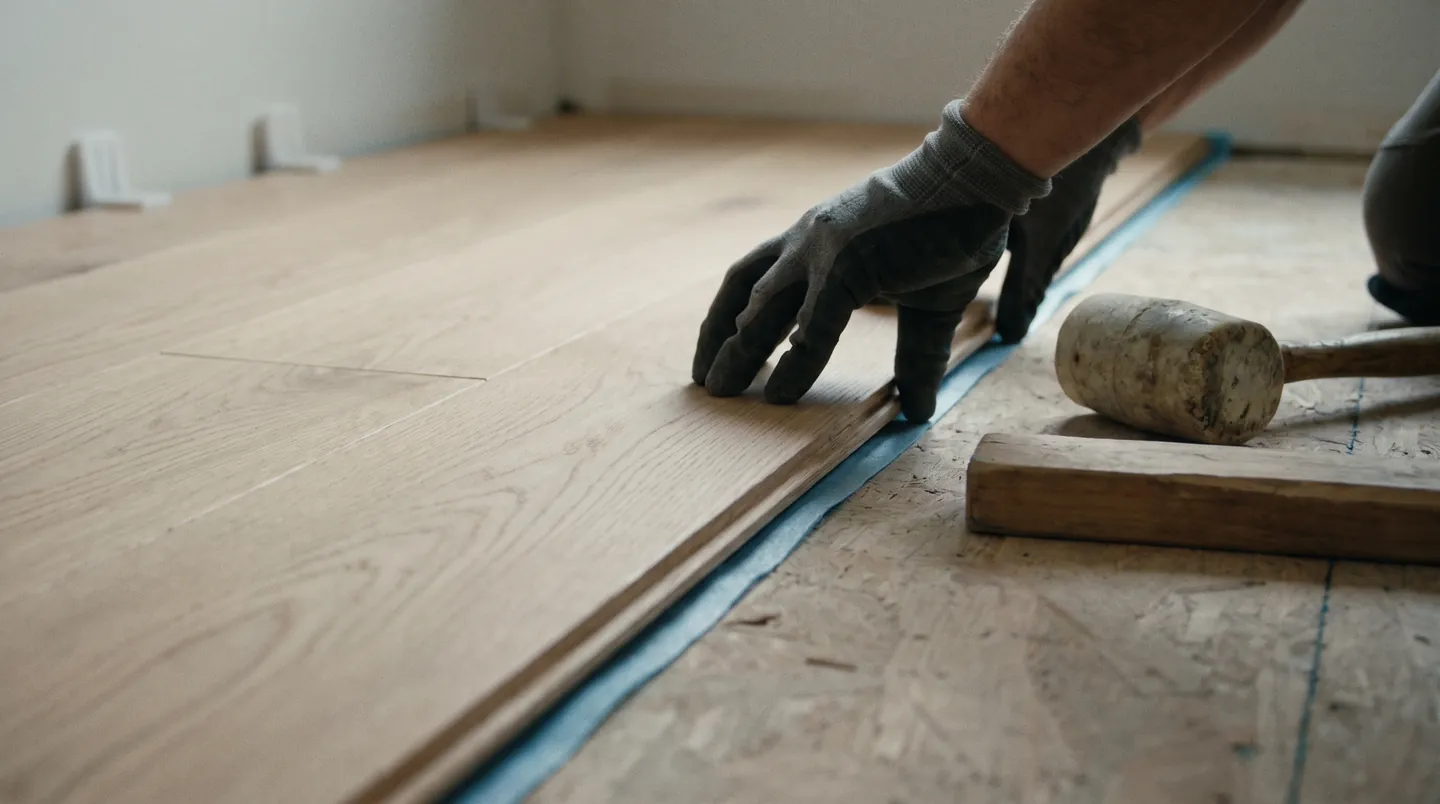
Repair wins here more often than people expect. A few water-stained boards by a back door can be cut out and replaced, then the room sanded and finished as one. When the floor is too thin or too patched to save, new solid or engineered oak in a period-appropriate width keeps the house looking like itself.
Newer Northwest Builds Near Candelas Start From a Clean Slate
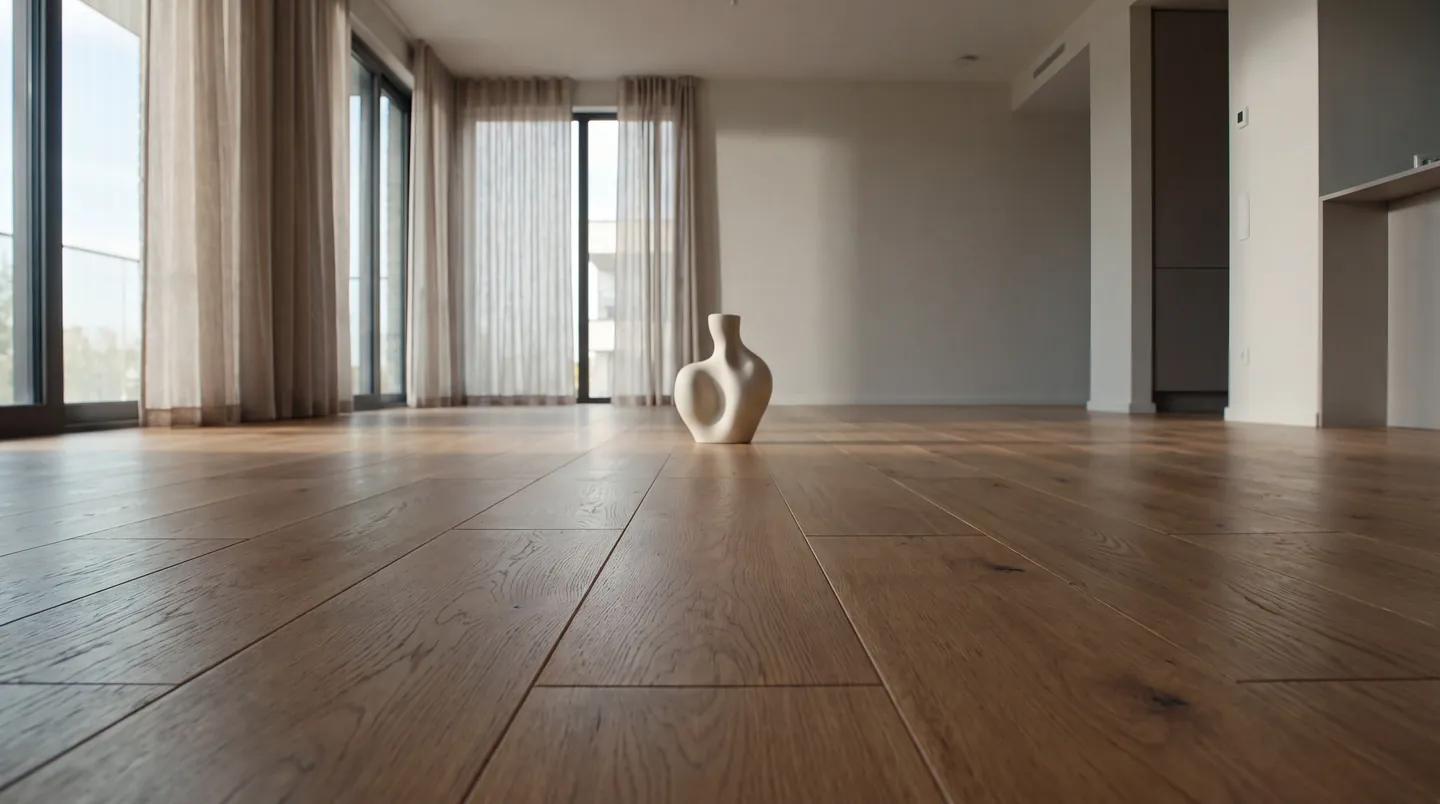
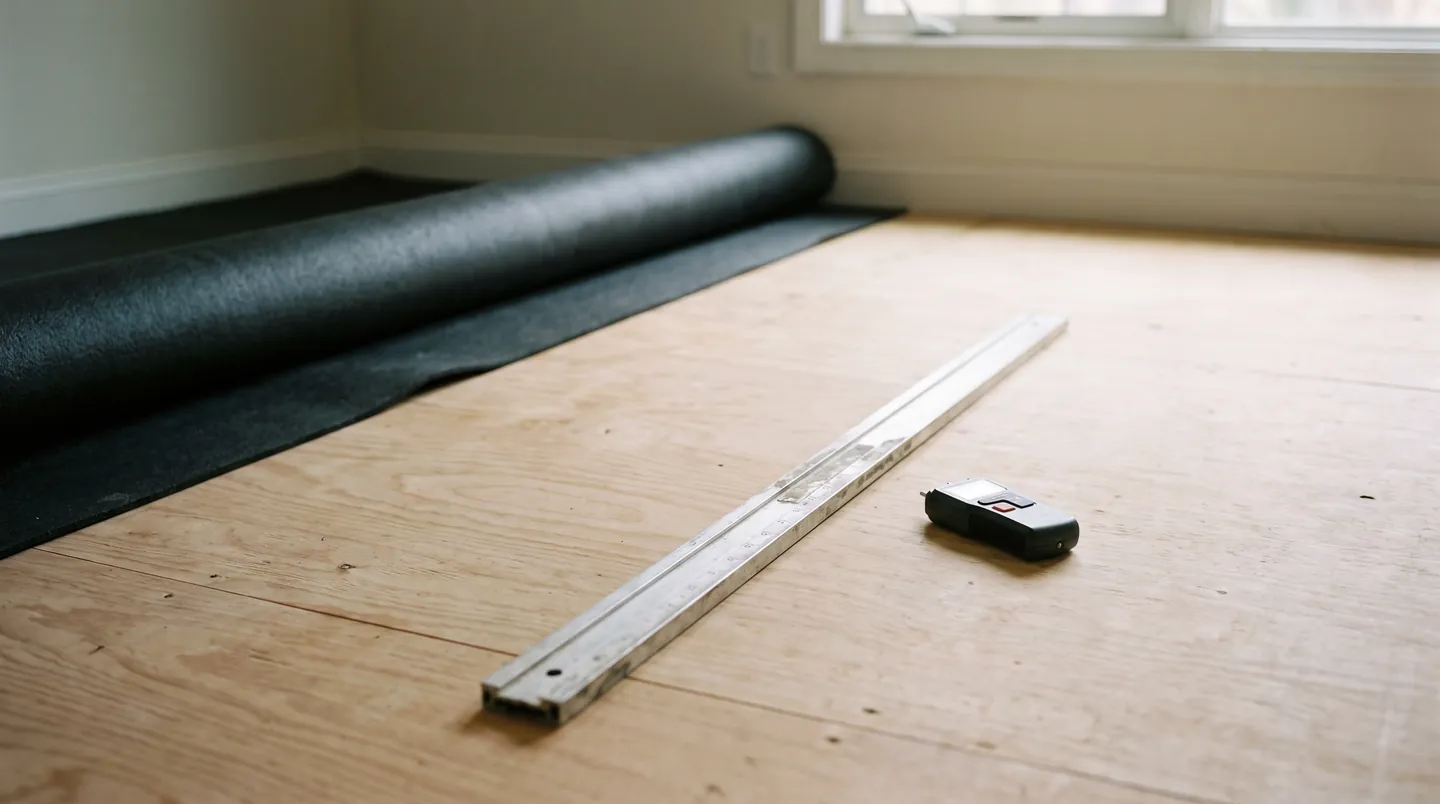
Newer homes to the northwest are mostly about choices: replacing builder carpet on the main level, putting hard flooring in a loft or bonus room, finishing the basement. Subfloors are younger and usually flatter, which opens the door to long, wide planks that would telegraph every dip in an older house. Wide engineered oak and long-format luxury vinyl plank both suit open main floors.
Wide solid hardwood moves a lot through a dry Front Range winter, when the furnace pulls indoor humidity well below what most manufacturers specify. Past about 5 inches wide, engineered construction holds its shape better.
Old House or New Build: What Changes
| Question | Early-1900s home near Olde Town | Newer home near Candelas |
|---|---|---|
| Subfloor | Board sheathing, often uneven | Plywood or OSB panels, usually flatter |
| Likely existing floor | Original wood under later coverings | Builder carpet, vinyl or laminate |
| Plank width that suits | Narrow strip to match the era | Wide plank, preferably engineered |
| First thing to check | Wood thickness and old repairs | Flatness and squeaks along joists |
| Hidden risk | Old sheet goods or adhesives that need asbestos testing | Thin underlayment and builder-grade pad |
Below-Grade Floors Need a Moisture Plan First
Basements are where flooring fails most often, and the cause is nearly always moisture: vapor rising through the slab, or water working in along a foundation wall. A finished basement in a dry climate can still trap surprising moisture under a vinyl plank or a rubber-backed rug.
Steps Before a Basement Floor Goes Down
- Run the basement at normal living temperature and humidity for at least 48 hours.
- Look for efflorescence (white mineral deposits), staining at the base of walls and rust on old tack strip.
- Tape a 2-foot square of plastic to the slab overnight. Condensation underneath means moisture is moving; it's a screen, not a pass.
- For a real number, use in-situ RH probes or a calcium chloride test and compare it to the specific product's limit.
- Mark the sump pit, radon vent pipe and floor drains on a sketch so the layout works around them.
Match the Basement Floor to the Test Result
Westminster's 1960s to 1990s neighborhoods raise similar basement questions; see flooring in Westminster or the whole Front Range service area. Bring your moisture readings, or just the questions, when you request an Arvada flooring estimate.
Arvada flooring questions
Can hardwood go into an Olde Town home with uneven floors?
Usually, once the floor is flattened. Old houses settle, so first find out whether a dip is structural, like a sagging joist or beam, or only on the surface. Structural problems get fixed from below. Surface dips get filled or the high spots sanded, and new plywood underlayment may go down. Nail-down hardwood forgives small variations better than floating floors.
Is a basement in a newer home safe for hardwood?
Solid hardwood still isn't a good fit below grade, even in a brand-new house. Fresh concrete can take months to dry, and the slab sits against the ground. Engineered wood approved for below-grade installation is the closest option, after a passing moisture test. Rigid-core vinyl gives a wood look with far less risk if readings run high.
Why is there white residue on my basement slab?
That's usually efflorescence: mineral salts left behind as water moves through concrete and evaporates at the surface. It means moisture is passing through the slab or wall. It doesn't automatically rule out new flooring, but it's a strong reason to run a proper moisture test and check gutters, downspouts and grading before choosing a product.