Lake Days Send Sand, Water and Sun Straight to the Entry
Homes near Boyd Lake and Lake Loveland take their hardest wear in the first ten feet inside the door. Plan that zone on its own:
- Sand works like sandpaper under a shoe. Fine grit dulls a wood finish and scratches a vinyl wear layer faster than anything else in the house.
- A walk-off mat long enough for several steps catches most of it. A small decorative rug doesn't.
- Wet towels, swimsuits and dripping coolers sit on the floor far longer than a spilled glass ever does.
- Porcelain tile at the door and in the mudroom shrugs off grit and standing water, and winter deicer too.
- Where the entry opens straight into living space, a textured vinyl surface hides grit scratches better than a smooth, glossy plank.
Strong Sun at About 5,000 Feet Fades Floors Faster
UV exposure runs stronger at altitude, and houses built to face the water tend to point big windows at the view. Put those together and an unprotected floor eventually shows the outline of every rug that sat still.
Rotate rugs, add UV-filtering window film and close shades during the brightest hours. Then choose materials knowing how each one reacts.
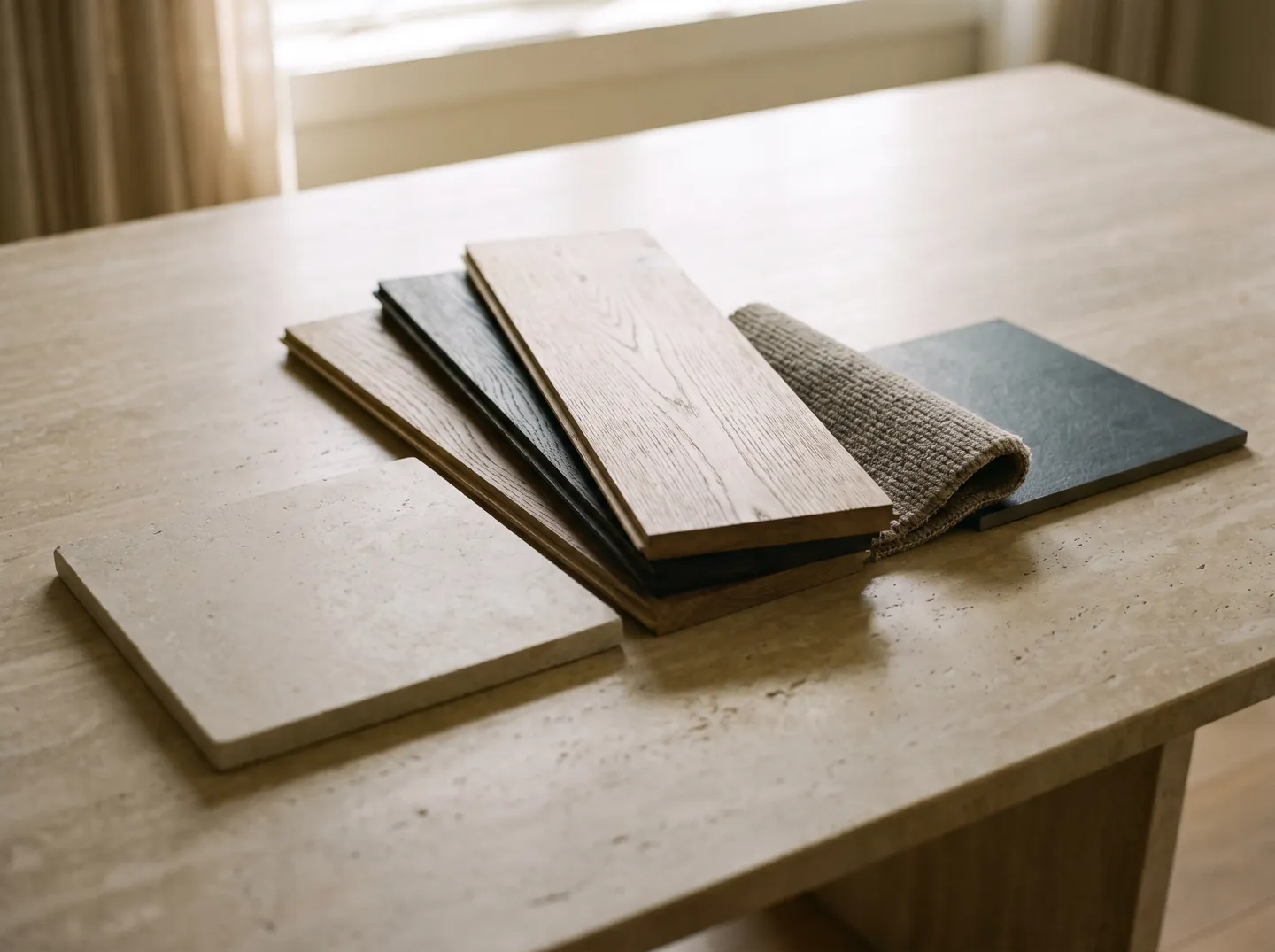
How Common Floors Respond to Strong Sun
| Material | What changes | How to slow it |
|---|---|---|
| White and red oak | Ambers and deepens in tone | UV-inhibiting finish and window film |
| Walnut and cherry | Walnut lightens; cherry darkens noticeably | Move rugs and furniture now and then |
| Luxury vinyl | Some visuals fade; heat near glass can push planks to expand | Check the warranty's sunlight exclusions |
| Porcelain tile | Essentially colorfast | Nothing needed |
| Carpet | Surface-dyed fibers fade | Choose solution-dyed nylon or polyester |
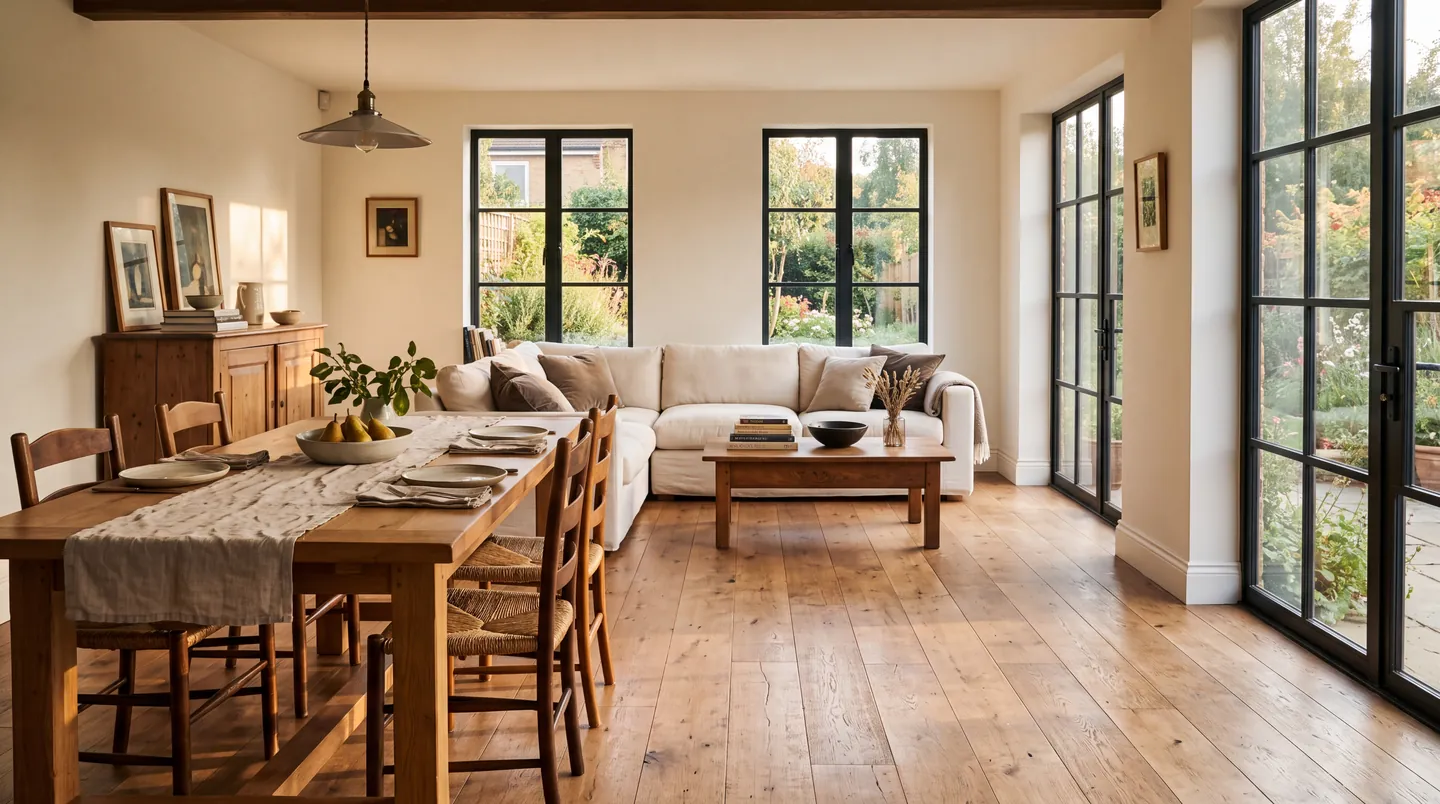
If you want wood in a bright great room, compare hardwood species and finishes with the color shift in mind. A floor that starts pale will look warmer in five years.
Newer Homes Along I-25 Near Centerra Need a Little Patience
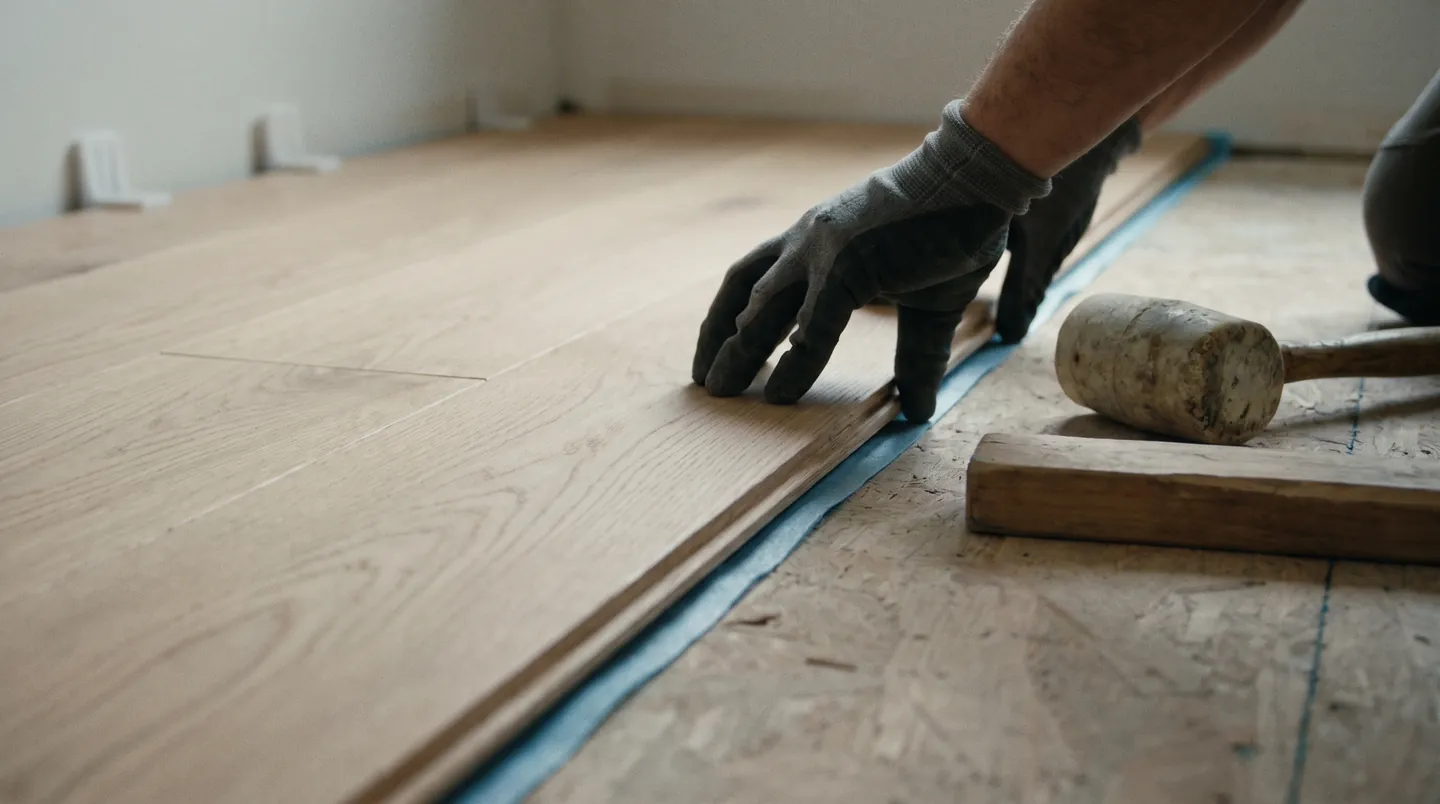
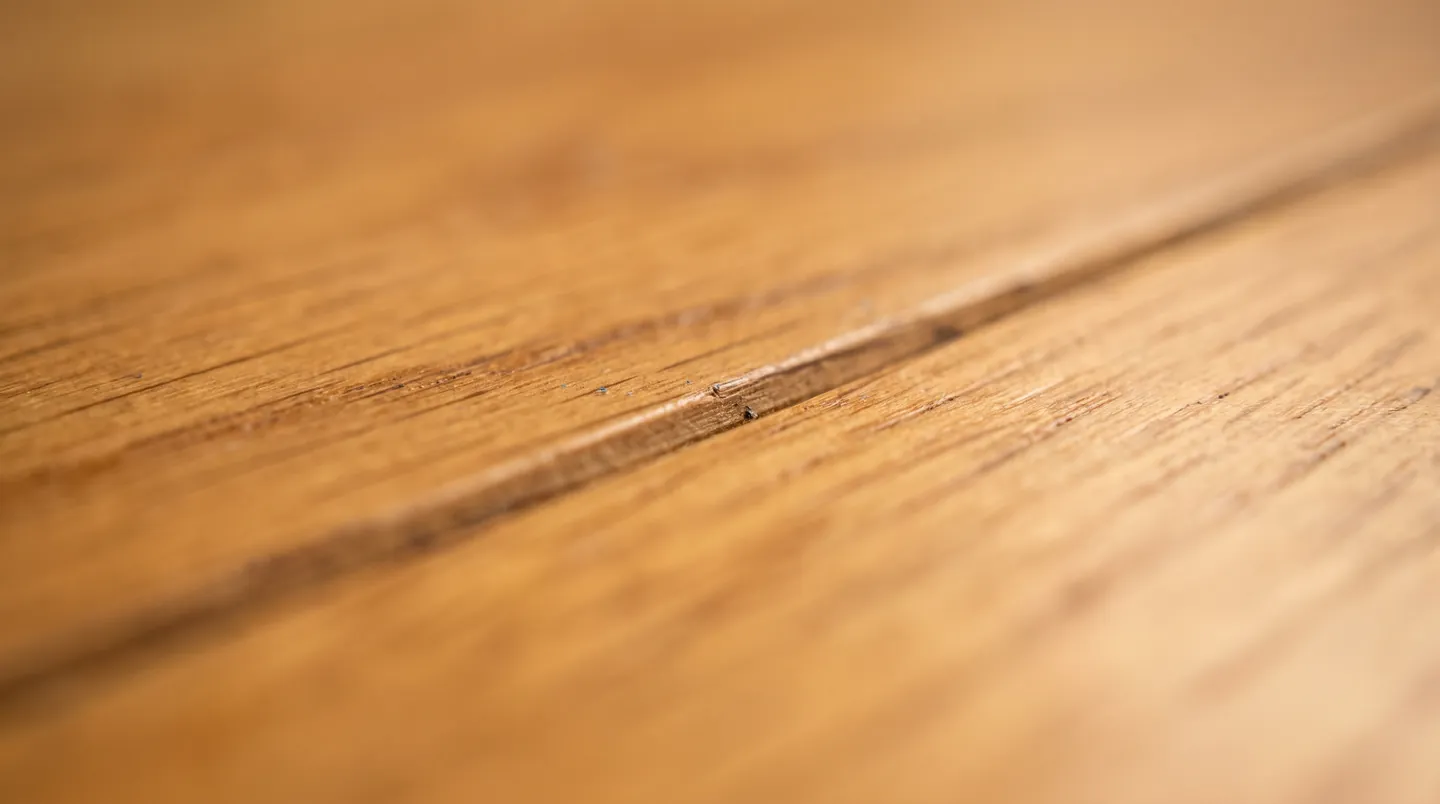
Growth along I-25 means a lot of recent construction in Loveland, and new houses bring their own floor questions. Fresh slabs keep giving off moisture for months. New framing dries and shrinks through the first heating seasons, which can open seams and start squeaks. Neither one is a defect. Both argue for waiting, and testing, before site-finished solid hardwood goes in.
If the builder floors are already in and wearing thin, replacing them room by room lets you start where traffic is heaviest.
Floor a Walkout Basement for Both of Its Ends
Farther north, Fort Collins floors for rentals and Old Town homes solve a different set of problems, and Longmont's lower-level moisture advice goes deeper on slab testing. See the full Front Range service map, or get an estimate for your entry, walkout or great room.
Loveland flooring questions
What's the best entry flooring for a home near Boyd Lake?
Porcelain tile is the strongest choice for the first few feet inside the door. It doesn't scratch from sand, doesn't care about wet towels and won't haze from winter deicer. Pair it with a long, heavy walk-off mat. If tile feels too cold or hard, a textured rigid-core vinyl with a thick wear layer is the runner-up.
Is porcelain tile too cold for a walkout basement family room?
It can feel that way. A slab in contact with soil stays cool all year, and tile passes that chill straight to bare feet. Area rugs help most people. An electric radiant mat set under the tile fixes it outright, ideally over an insulating underlayment so the heat goes up, not into the slab. Rigid-core vinyl with an attached pad feels noticeably warmer without heat.
Should I wait before installing hardwood in a newly built Loveland home?
For site-finished solid hardwood, waiting through one heating season is a reasonable idea. The framing and subfloor lose moisture that first winter, and installing too early can mean gaps and squeaks later. Engineered hardwood is more tolerant. Either way, meter the subfloor and the flooring and confirm both sit within the manufacturer's moisture range before installation day.